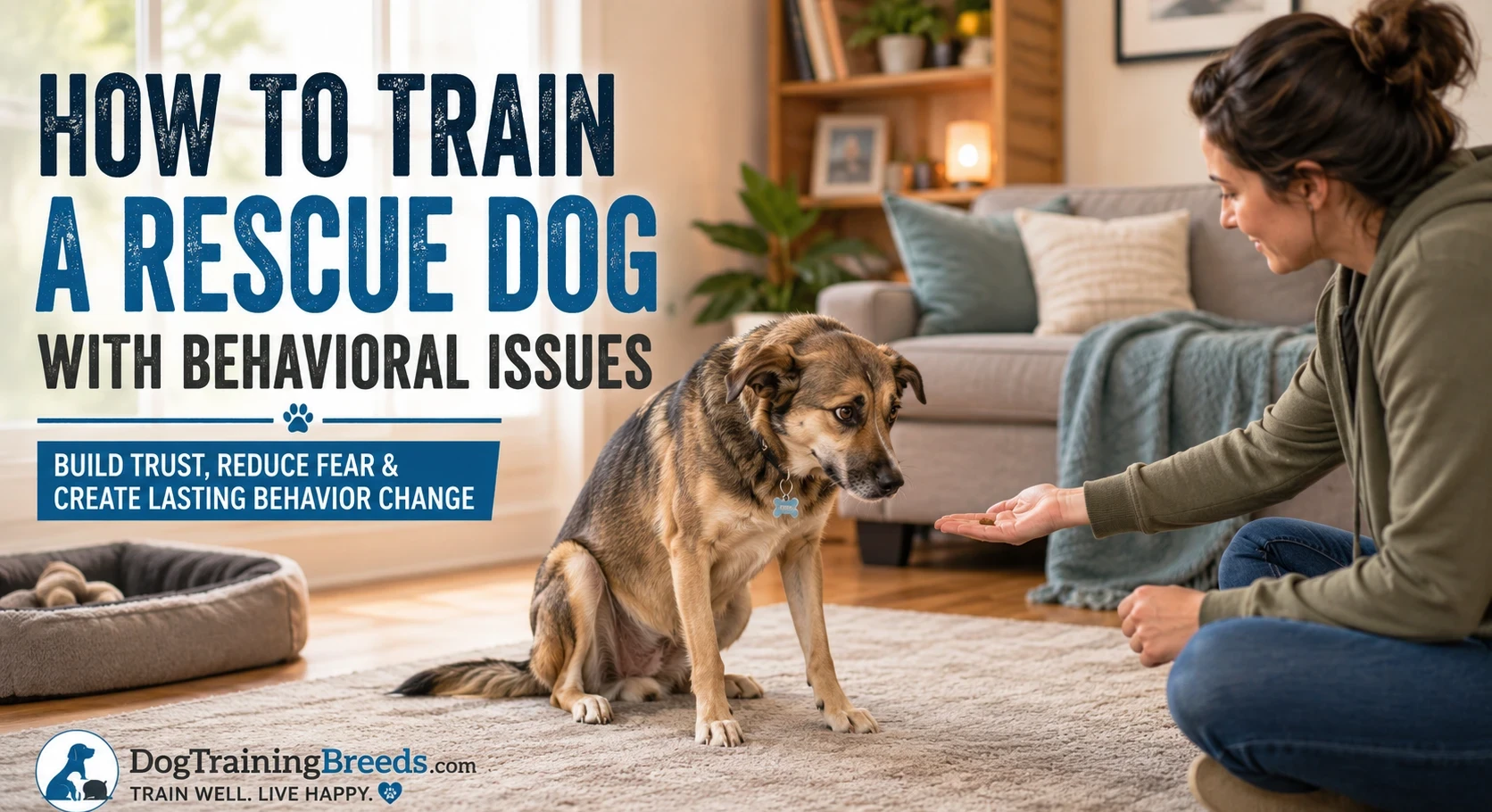
How To Train A Rescue Dog With Behavioral Issues? If you’re asking this question, you’re not alone. Many rescue dogs come with emotional baggage from their past, whether it’s fear, anxiety, reactivity, resource guarding, excessive barking, or difficulty trusting people. The good news is that most behavioral issues can improve dramatically with patience, consistency, and the right training approach.
Just a quick heads-up for transparency: DogTrainingBreeds.com participates in affiliate programs. If you purchase through links on this page, we may earn a small commission at no extra cost to you. We only recommend training programs and products we believe can genuinely help rescue dog owners.
Training a rescue dog with behavioral issues isn’t about punishment or forcing obedience. It’s about helping your dog feel safe, building trust, and teaching new behaviors that replace the unwanted ones. In this guide, you’ll learn the most common causes of behavioral problems in rescue dogs, practical training techniques that actually work, and the mistakes that can unintentionally make things worse.

Why Rescue Dogs Develop Behavioral Issues (It’s Not What You Think)
The hidden impact of past trauma and instability
When I brought my first rescue home from the shelter, I wondered if I’d bitten off more than I could chew. Dogs that end up in shelters often go through a lot; abandonment, unstable housing, sometimes rough handling, and plenty of loud, unfamiliar environments. All that instability piles up and can leave dogs extra jumpy or withdrawn.
Why your dog isn’t “bad” — they’re overwhelmed
I used to mistake constant barking and hiding as “bad manners,” but really, they’re signs of a dog that’s overwhelmed or scared. These dogs are just trying to survive in a brand new world after losing whatever stability they had before. What looks like stubbornness is usually anxiety or uncertainty arising from their tough past. Remember, your dog is acting out of self-preservation.
The decompression period most owners underestimate
Many rescue dogs need a decompression period; that’s the time right after adoption when they figure out whether they’re safe and what to expect. This can take days to several weeks or even more, and during this window, you might see all sorts of behavior you weren’t prepared for. It’s totally normal and doesn’t mean you did something wrong. Give your dog grace as they adapt to a new kind of routine.
If your rescue dog is struggling with fear, anxiety, reactivity, or other behavioral challenges, a structured training program can make the adjustment period much easier. One program many rescue dog owners have found helpful is Train Pet Dog, which focuses on building trust, improving communication, and solving common behavior problems using positive training methods.
Signs Your Rescue Dog Is Struggling (Not Misbehaving)
Fear-based behaviors vs true aggression
Most rescue dogs showing “bad” behavior aren’t truly aggressive; they’re just scared. Fear can look like growling, cowering, barking, or even snapping. Aggression tends to be more deliberate and less about self-protection. Being able to spot the difference helps you respond patiently and appropriately.
If your dog’s behavior seems more intense than simple nervousness, you may also want to read How to Train a Rescue Dog with Aggression Issues for additional guidance on handling fear-based aggression safely.
Common rescue dog behavior issues explained
- Leash reactivity (barking, lunging at other dogs or people)
- Hiding under furniture or in their crate
- Growling when touched or approached
- Resource guarding (with food, toys, or spaces)
- House training accidents
- Separation anxiety (barking, destruction when left alone)
Many of these issues are common among newly adopted dogs. If you’re trying to understand what specific behaviors mean and how to address them, check out our guide on Rescue Dog Behavior Issues — What They Mean and How to Fix Them Without Making It Worse.
Subtle warning signs most owners miss
- Yawning, licking lips, avoiding eye contact
- Pacing or trembling
- Freezing or “shutting down” when faced with new people
- Refusing treats or turning away from food
Early Warning Signs Checklist
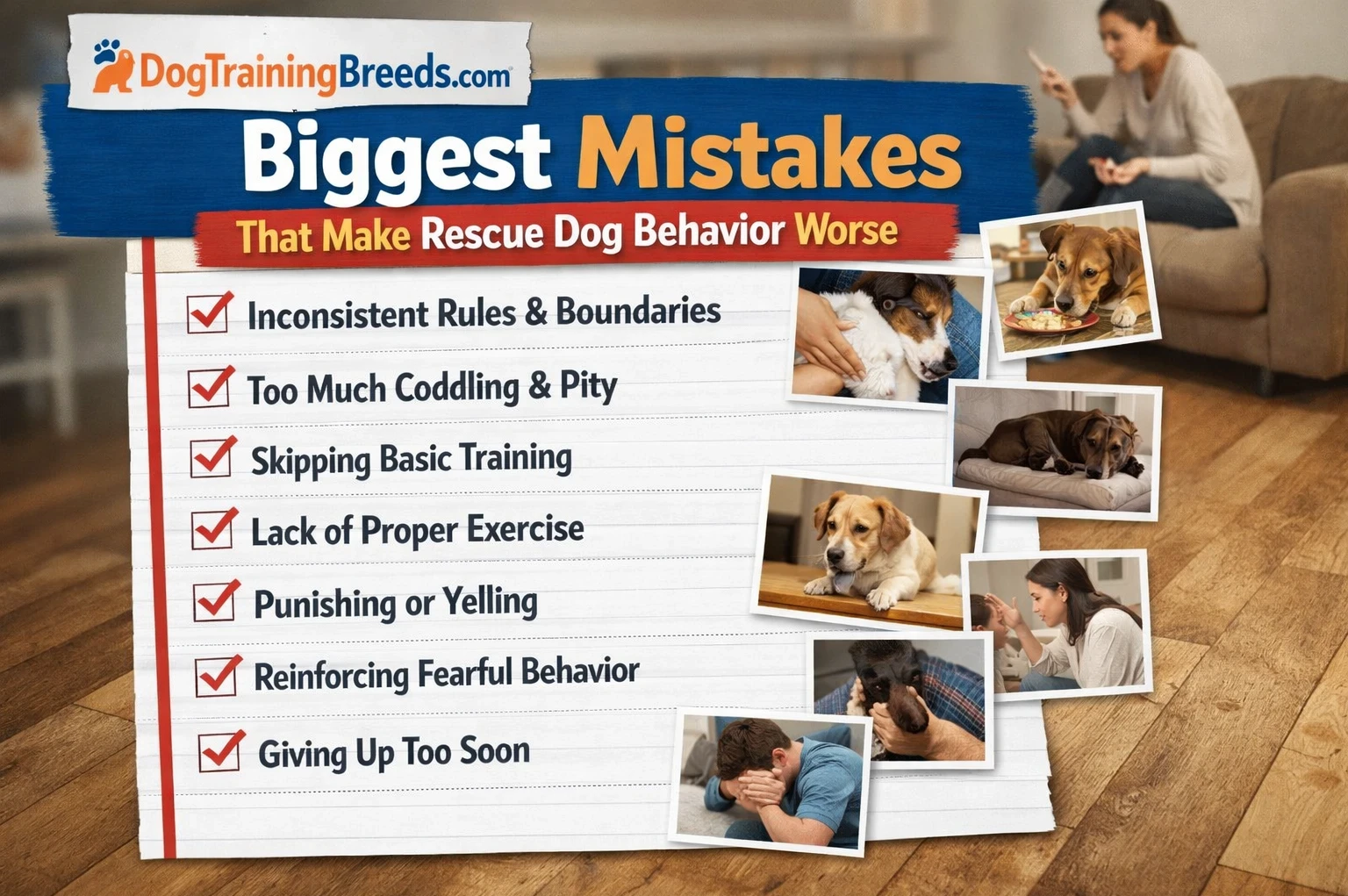
The Biggest Mistakes That Make Rescue Dog Behavior Worse
Moving too fast (overexposure too soon)
One mistake I made early on was taking my new rescue to a busy dog park right away, thinking it would help him socialize. He shut down completely. Dogs need time to adjust before being thrown into lots of new experiences. Ease them in slowly, one thing at a time so they aren’t overwhelmed.
Punishing fear-based behavior
Yelling or punishing a scared dog just adds more stress. If your dog growls or barks out of fear, it means they’re uncomfortable, not that they’re trying to “dominate” you. Gentle redirection and patience work way better in building trust. Consistent calm reactions gradually make your dog feel safer.
Inconsistency and mixed signals
If one person lets the dog jump on the couch and another scolds them, it confuses the heck out of them. Try to stay consistent with commands, routines, and responses. It helps dogs learn faster. Stick with a simple set of expectations and everyone in the household should be on board.
Expecting instant obedience
I get it; sometimes you just want your dog to “get it” so you can relax. But rescue dogs often need a reset and learning curve. Expecting them to sit, stay, or walk nicely on leash right away just isn’t realistic, so give them and yourself some grace. By lowering expectations and celebrating progress, you build a better bond.
Step-by-Step: How to Train a Rescue Dog With Behavioral Issues
Step 1: Create a calm, predictable environment
Before starting training, set up a quiet area where your dog feels secure. Keep disruptions low and establish a routine (walks, meals, and bedtime at regular times). A calm space goes a long way in lowering their stress levels. Add comforting items like cozy blankets or a favorite toy to make things more soothing.
Step 2: Build trust before obedience
Hang out at your dog’s pace. Sit in the room with them, let them come to you, and reward any curiosity with gentle praise or treats. Trust is the foundation of everything else. Don’t rush touch or handling; let your dog show when they’re ready. Even small bits of curiosity deserve encouragement, especially in a dog that’s nervous.
Step 3: Use positive reinforcement the right way
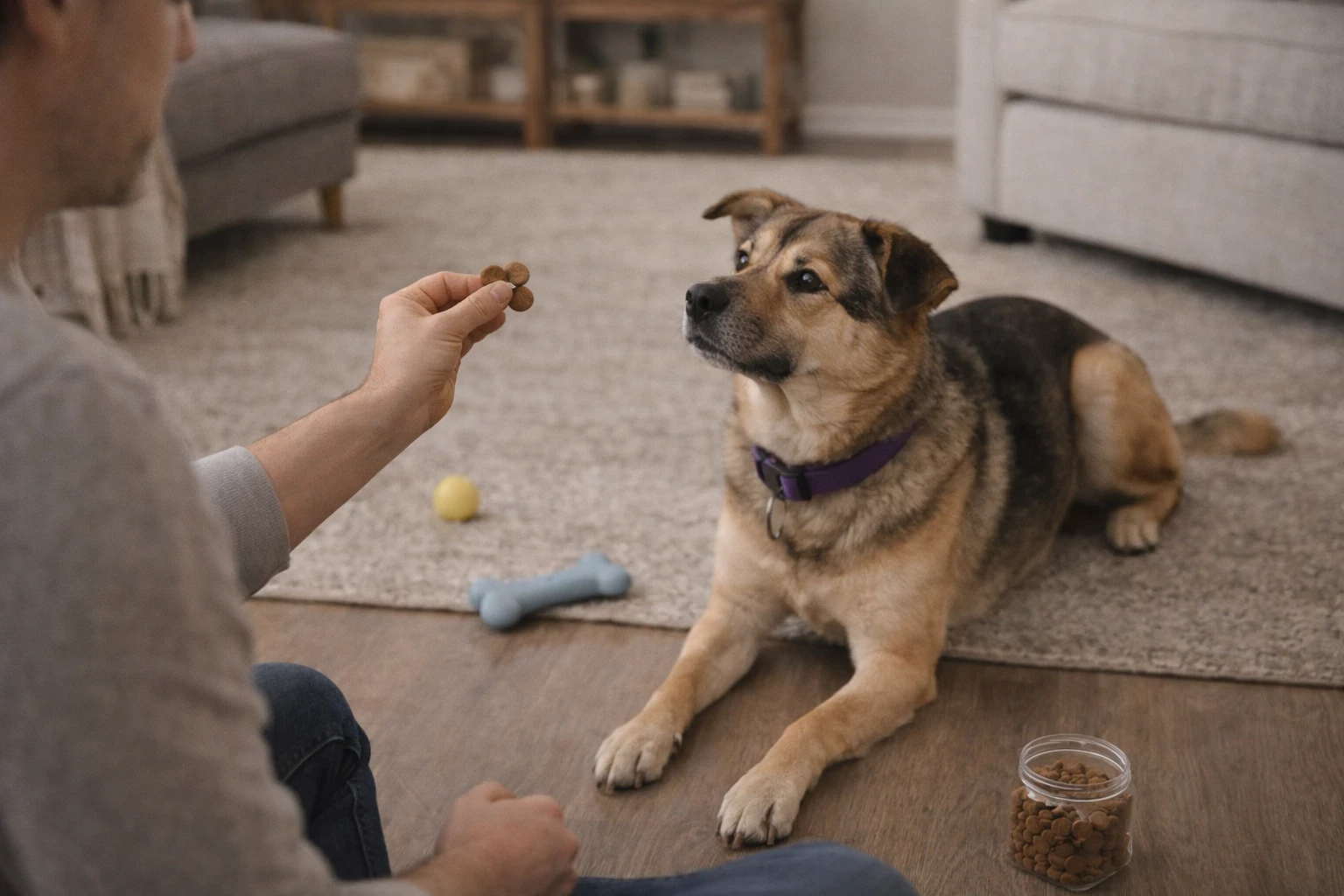
Reward behaviors you want to see with treats, praise, or play. This makes your dog feel good about listening and learning. Avoid harsh corrections, and instead, gently ignore or redirect the stuff you don’t want. If treats aren’t working, you might need higher value snacks or just more patience for now. The right reward might even be a favorite toy, not just food.
Many rescue dog owners struggle because they aren’t sure what to teach first or how to progress training without overwhelming their dog. A step-by-step program like Train Pet Dog can provide daily lessons and structured exercises that remove much of the guesswork.
Step 4: Manage triggers instead of forcing exposure
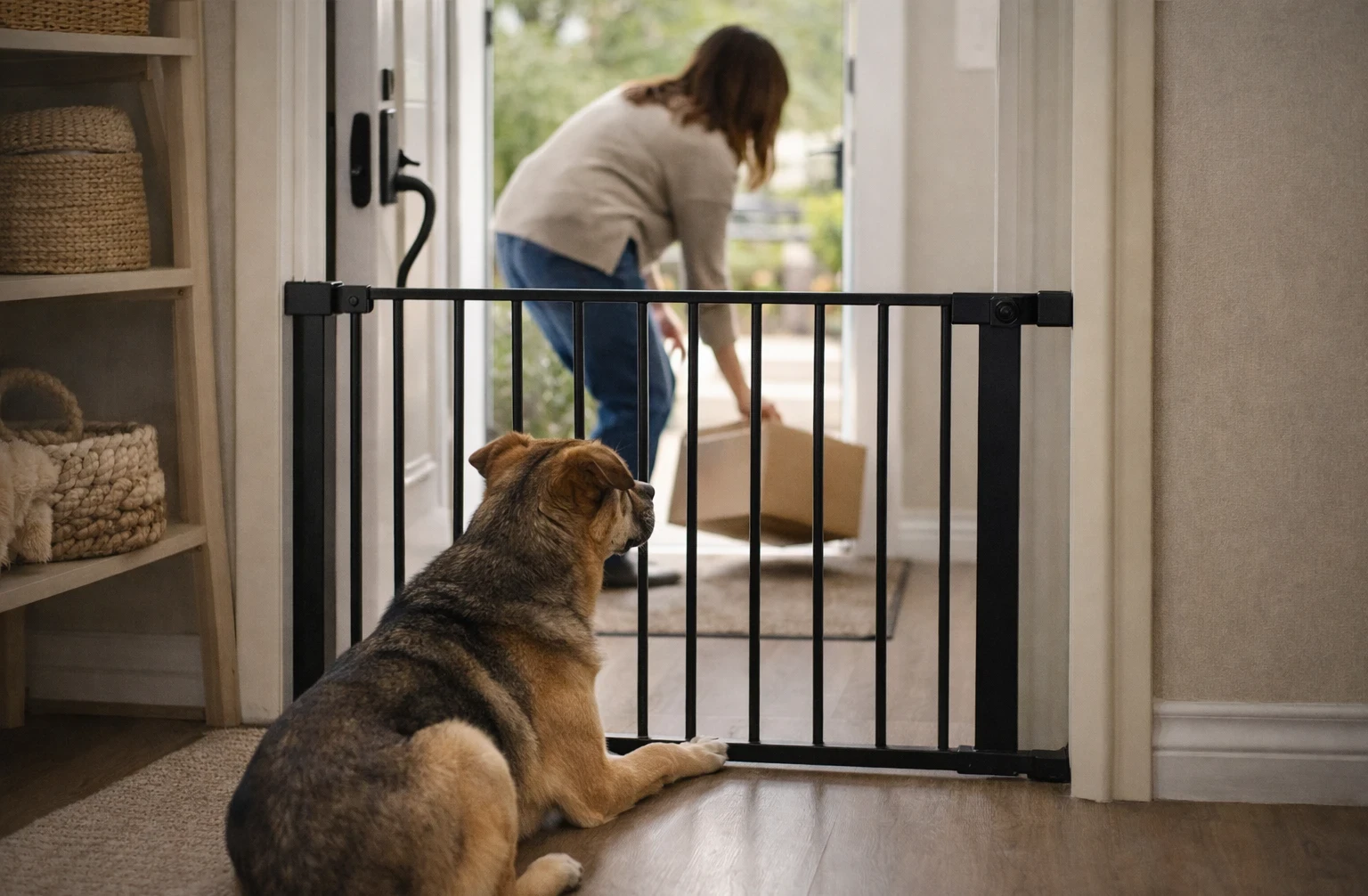
If your dog barks at strangers, don’t drag them into a crowded store to “socialize.” Instead, keep a safe distance and reward calm behavior. Over time, slowly decrease the distance if they’re ready. Managing triggers is way more effective than flooding them with scary stuff all at once. Progress at your dog’s pace to keep things positive.
If your rescue dog becomes reactive on walks, our guide How to Stop My Strong Dog From Pulling on the Leash can help you build calmer, more controlled walks.
Step 5: Teach simple commands that build confidence
Start with basics like sit, touch, or come. Use hand signals if your dog seems confused by words. Every time your dog gets something right, celebrate it. These small “wins” help build your dog’s confidence and make training smoother. Confidence grows fastest with encouragement and patience.
Step 6: Be consistent (even when progress feels slow)
Stick with one set of commands, reward good choices, and repeat routines day in and day out. Even if you only see tiny improvements, you’re actually making progress. Dogs love routine, and it helps them settle in. Don’t get discouraged by slow steps; every day counts.
Many owners unknowingly slow their dog’s progress by making avoidable training mistakes. Be sure to read Common Dog Training Mistakes to avoid setbacks that can confuse your rescue dog.
How Long Does It Take to See Improvement?
The 3-3-3 rule (what it really looks like in real life)
The 3-3-3 rule is a handy way to think about your rescue’s progress; 3 days to decompress, 3 weeks to start learning basic routines, and 3 months to really feel settled. Some dogs need more, some less, but slow and steady changes are totally normal. Every dog adapts on their own timeline, so patience is key.
Why slow progress is actually good progress
Every tiny step forward, such as your dog taking treats from your hand or walking a little closer to you, means your dog is feeling safer. Small, steady progress is a sign you’re building trust that will last. These incremental changes matter more than quick wins because they create real comfort for your dog.
If you’re feeling stuck or unsure whether you’re making progress, following a structured training plan can help you stay consistent. Train Pet Dog was designed specifically to walk owners through behavior problems step-by-step rather than relying on trial and error.
What realistic improvement looks like
Forget what you see in movies or viral videos; real progress for stressed rescue dogs is messy and rarely looks perfect. Improvement might mean fewer meltdowns, accepting gentle petting, or walking calmly past another dog. These are all worth celebrating as wins. Your dog doesn’t have to be flawless to be happy and safe.
For rescue dogs dealing with fear, anxiety, or confidence issues, many owners also benefit from specialized online programs like Spirit Dog Training, which focuses heavily on positive reinforcement and confidence-building exercises.
When to Get Professional Help (And Not Feel Like You Failed)
Signs you need a trainer or structured program
If you’re feeling out of your depth, such as dealing with severe aggression, biting that draws blood, or just no improvement after months, getting a professional on your team can make all the difference. It’s a smart move, not a sign of failure. Professionals can provide fresh strategies that set both you and your dog up for long-term success.
If your dog is showing severe reactivity, aggression, lunging, or behavior that makes you feel unsafe, professional guidance is essential. Programs like Method K9 specialize in helping owners work through more serious behavioral challenges safely and systematically.
Aggression vs fear: knowing the difference
Your trainer can help you spot if your dog’s behaviors are rooted in fear, pain, or something more serious that needs different handling. If you’re ever unsure, reaching out for help keeps you and your dog safe. It’s always better to ask for support early rather than wait until things spiral.
Why getting help early can save your dog
Many owners wait too long, hoping behavioral issues will vanish on their own. Early support is actually a game-changer, sometimes preventing situations that could put your dog or others at risk. Professional guidance can often prevent heartbreak down the road.
You may also find our guide How to Manage Rescue Dog Anxiety helpful if your dog’s behavior problems are being driven primarily by stress and anxiety.
Real Talk: You’re Not Failing Your Rescue Dog
Why this phase feels so overwhelming
It’s really common to feel like you’re in over your head, especially when setbacks happen. Rescue dogs are a lot of work, but you’re not alone and you haven’t ruined your dog by making mistakes. Every challenging day means you’re showing up and trying, and that counts.
What most successful rescue dog owners go through
Every owner I know who’s adopted a challenging dog has gone through ups and downs; embarrassing moments, days where you think you made a huge mistake, even nights when you cry about it. These feelings are normal and part of the adventure. With time, your confidence and your dog’s trust will grow together.
Rebuilding confidence (for you AND your dog)
Each day you get up and try again, you’re proving to your dog that you’re sticking around. That’s what really helps rebuild confidence for both of you. Even small daily actions, like offering a treat or a gentle word, lay the groundwork for a more trusting relationship.
Final Thoughts: Progress Over Perfection
Small wins matter more than big breakthroughs
Celebrate every gentle sniff, every relaxed tail, each time your dog tries something new. These are signs your dog trusts you a little more each day. Little victories add up—don’t overlook them on the way to bigger goals.
Your dog doesn’t need perfect; they need safe
Focus on building a place where your dog feels safe and seen. They don’t need to be a champion trick dog or the star of the dog park; they just need you. The most important thing is that your dog knows this new home is a secure spot where they’re loved, mistakes and all.
If you’re still learning how rescue dogs think and adjust to a new home, you may also enjoy reading Why Is My Rescue Dog So Anxious? and Rescue Dog Behavior Issues for additional support.
Start With One Small Step Today
You don’t have to fix every behavior problem overnight. Pick one small thing to work on today—whether that’s sitting quietly near your dog, rewarding a calm moment, or simply sticking to a predictable routine. Every positive interaction helps build trust.
Remember, your rescue dog isn’t looking for perfection. They’re looking for safety, consistency, and someone who won’t give up on them. Progress may come in tiny steps, but those steps add up over time.
The fact that you’re here, learning how to help your dog, already puts you on the right path. Stay patient, celebrate the small victories, and keep moving forward together. One day, you’ll look back and realize just how far both of you have come.
If you need a little extra guidance, don’t feel like you have to figure everything out on your own. A structured training program can help you build confidence, avoid common mistakes, and create a clear plan for helping your rescue dog succeed. Check out Train Pet Dog and take the first step toward a calmer, happier relationship with your dog today.