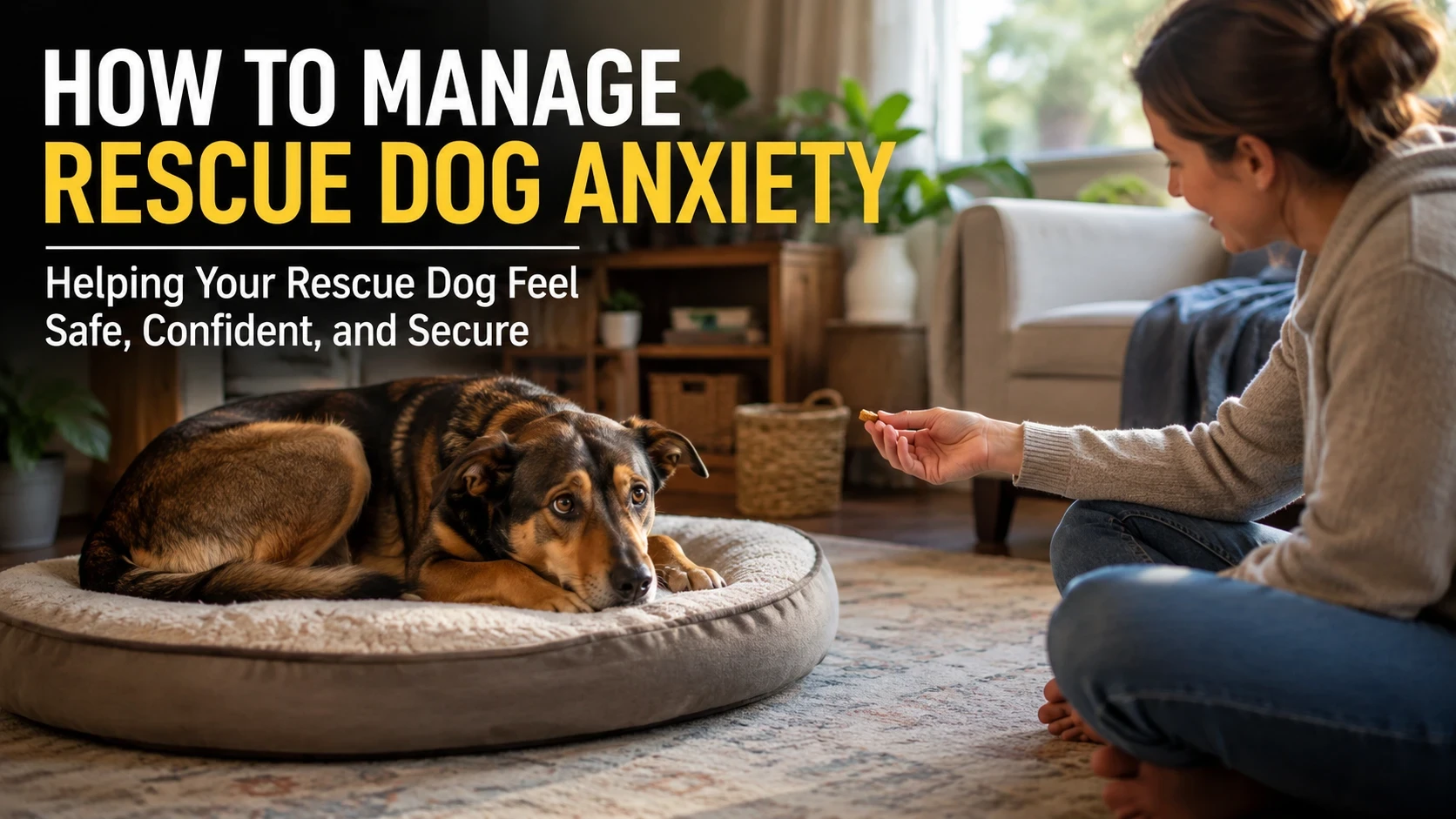
How to manage rescue dog anxiety is one of the most common questions new rescue dog owners ask after bringing their dog home. If your dog seems fearful, clingy, overwhelmed, or unsure of their new surroundings, you’re not alone. The good news is that most rescue dogs can learn to feel safe and confident with the right approach, patience, and consistency. In this guide, I’ll share practical strategies that can help reduce anxiety, avoid common mistakes, and make the transition easier for both you and your dog.
Just a quick heads-up for transparency: Some of the links on DogTrainingBreeds.com are affiliate links. This means I may earn a small commission if you make a purchase through them, at no extra cost to you. I only recommend training programs and products that I believe can genuinely help rescue dog owners and their dogs.

What Causes Anxiety in Rescue Dogs?
Rescue dog anxiety rarely happens for no reason. Figuring out where it comes from helps you step in with what your dog actually needs. In my experience, each dog comes with their unique set of worries, but these are the most common roots behind the nervous energy:
- Past Trauma or Neglect: Many rescue dogs have rough backgrounds. Some have faced abuse, while others spent long stretches alone in shelters or kennels. These experiences can stick and show up as jumpiness, skittishness, or fear of being left.
- Frequent Changes in Environment: Bouncing between homes, foster care, or shelters makes it tough for any dog to feel secure. Too much change in a short time is stressful, especially if a dog isn’t sure whether the next home is permanent.
- Lack of Early Socialization: Dogs without enough exposure to people, animals, or new environments as pups can have trouble coping as adults. The world feels big and overwhelming to those who don’t know what’s normal.
- Fear of the Unknown: Even without specific trauma, unfamiliar sights, sounds, and smells are often scary. For dogs who haven’t learned that new things can be positive, uncertainty fuels anxiety.
Recognizing what’s underlying your dog’s anxiety is the first step toward creating a safe and supportive environment. Making life more predictable helps build up the trust and security many rescue dogs crave.
If you’re still trying to figure out exactly what your rescue dog’s behavior means, you may also find my guide on Rescue Dog Behavior Issues: What They Mean and How to Fix Them Without Making It Worse helpful.
Common Signs of Rescue Dog Anxiety
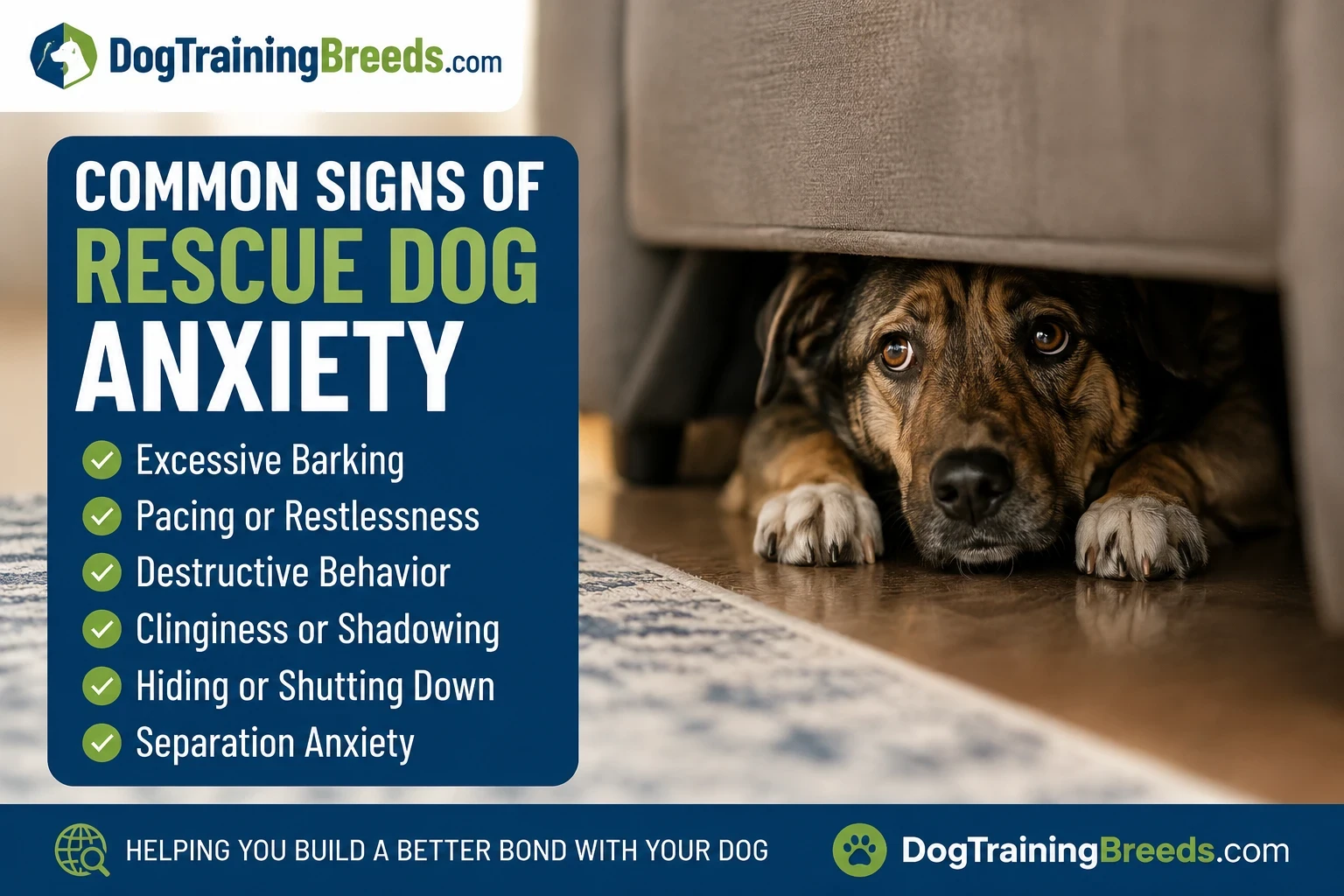
Anxious behaviors are not always clear-cut. Learning the ways anxiety pops up in dogs makes it easier to head off problems. Here are the signs I see most:
- Excessive Barking: Persistent barking at small triggers, like doorbells or passing cars, is your dog saying, “I’m uncomfortable!”
- Pacing and Restlessness: Nervous dogs walk back and forth, wander, or seem unable to relax, especially during stressful moments like your departure or when visitors arrive.
- Destructive Behavior: Chewing, digging, or shredding items when left alone or nervous is more about anxiety than “bad behavior.”
- Clinginess and Shadowing: Velcro dogs who can’t let you out of their sight are often anxious you’ll leave and not return.
- Hiding or Shutting Down: Some dogs withdraw under furniture or freeze up rather than acting out when they get overwhelmed.
- Separation Anxiety: Vocalizing, accidents in the house, or destructive outbursts when you’re gone signal your dog is struggling with being left alone.
Spotting these signs early gives you a better chance to set your dog up for success and stop anxiety from taking over every part of their life.
For dogs whose anxiety shows up as excessive barking, you may also want to read How To Stop My Dog Barking At Nothing, where I cover practical strategies for reducing stress-related barking.
How to Manage Rescue Dog Anxiety
Helping a rescue dog work through anxiety is all about making them feel safe, building their confidence one step at a time, and keeping your energy positive. Here’s how you can support them, without adding to their worries:
Create a Predictable Daily Routine
Predictability is one of the most powerful tools for anxious dogs. Knowing what’s coming next helps them relax. These are the routine basics I stick to:
- Feeding Times: Meals at the same time every day bring comfort and reduce anxious anticipation around food.
- Walk Times: Consistent walks let your dog know when to expect bathroom breaks and exercise. Predictable outings mean less surprise, so less stress.
- Bedtime Consistency: Dogs thrive on steady sleep schedules; it acts as a daily reset for anxious minds.
Establishing routines isn’t just helpful for your dog—it can simplify your life, too. The more reliable you are, the more they’ll trust that good things are always on the way.
Give Your Dog a Safe Space
Having a personal retreat can go a long way in helping an anxious dog settle down. Here’s what works best:
- Crate Training: If introduced positively, a crate becomes a dog’s haven—a place to hide when they’re unsure about visitors or thunder.
- Quiet Rest Areas: Set up a peaceful corner with a comfy bed and favorite toys. A dedicated space is a game-changer during loud, busy times or after stressful events.
Use Positive Reinforcement
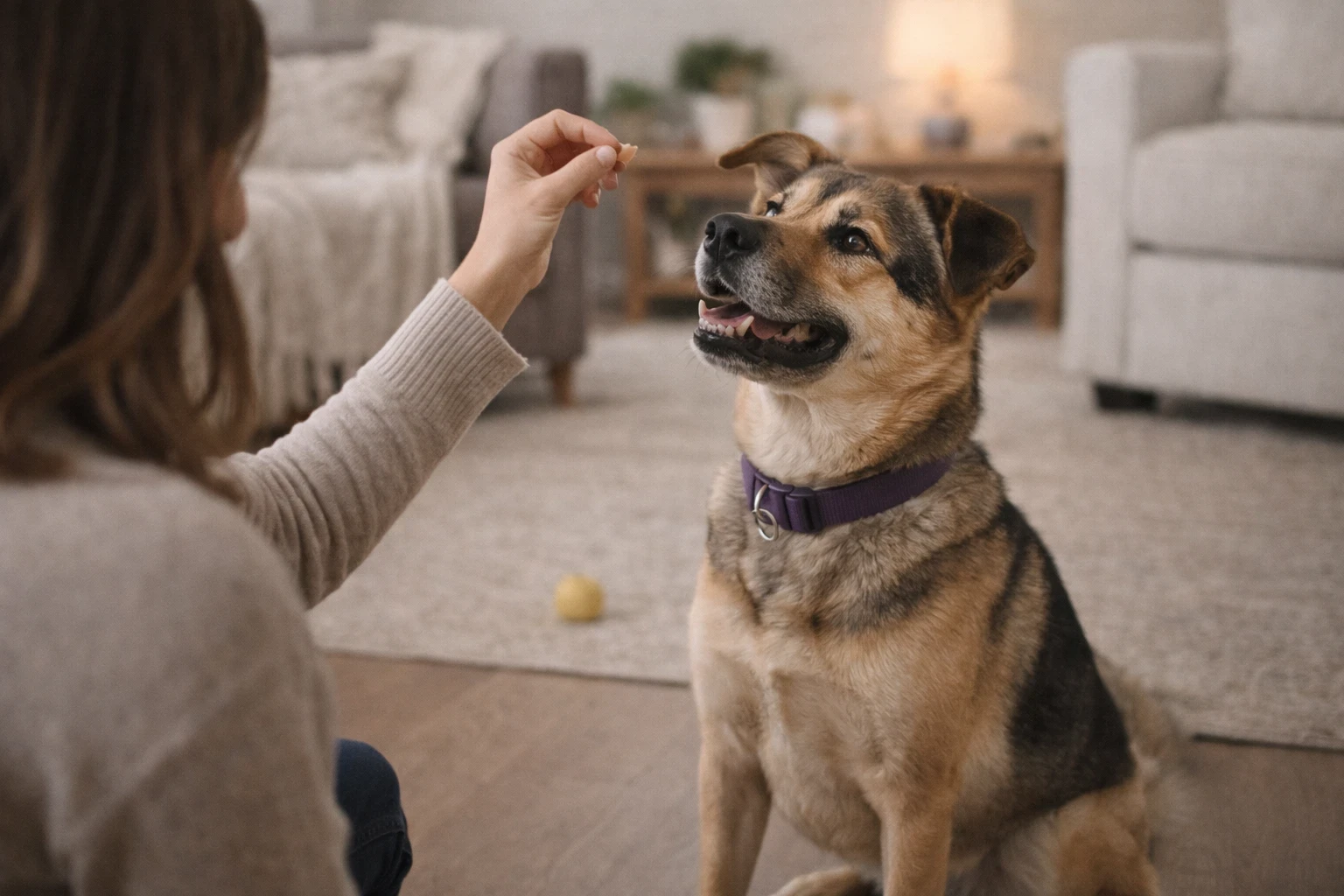
- Reward Calm Behavior: Hand out treats or offer soft praise whenever your dog calms themselves or looks to you for reassurance. Noticing and rewarding the good stuff helps it happen more often.
- Confidence-Building Training: Even basic cues like “sit” or “touch,” taught with supportive feedback, teach your dog new skills and offer small victories. Short, frequent sessions are great for anxious dogs.
Focusing on what your dog does right sets the stage for confident behavior and lays a solid foundation for future learning.
Exercise Your Dog’s Body and Mind
- Daily Walks: Physical movement blows off nervous energy. Take your time and let your dog sniff as they please—sniffing mentally taxes them and can ease tension.
- Food Puzzles: Use stuffable toys and slow feeders to keep anxious dogs busy and put their brains to work.
- Scent Games: Hiding treats around the house or yard taps into natural instincts, giving dogs confidence and helping them burn mental energy.
Mental stimulation is as important as physical activity when it comes to managing stress and creating confidence in your pup.
Introduce New Experiences Gradually
- New People: Start slow and let your dog observe from a distance. Be generous with rewards for calm curiosity.
- New Places: Begin with quick trips and work up to longer outings as your dog grows braver. Take breaks as needed.
- New Dogs: Meetings with canine friends should be slow and controlled. Let your dog’s body language determine the pace.
Allowing your dog to go at their own speed keeps experiences positive and avoids setbacks from moving too fast.
Mistakes That Can Make Rescue Dog Anxiety Worse
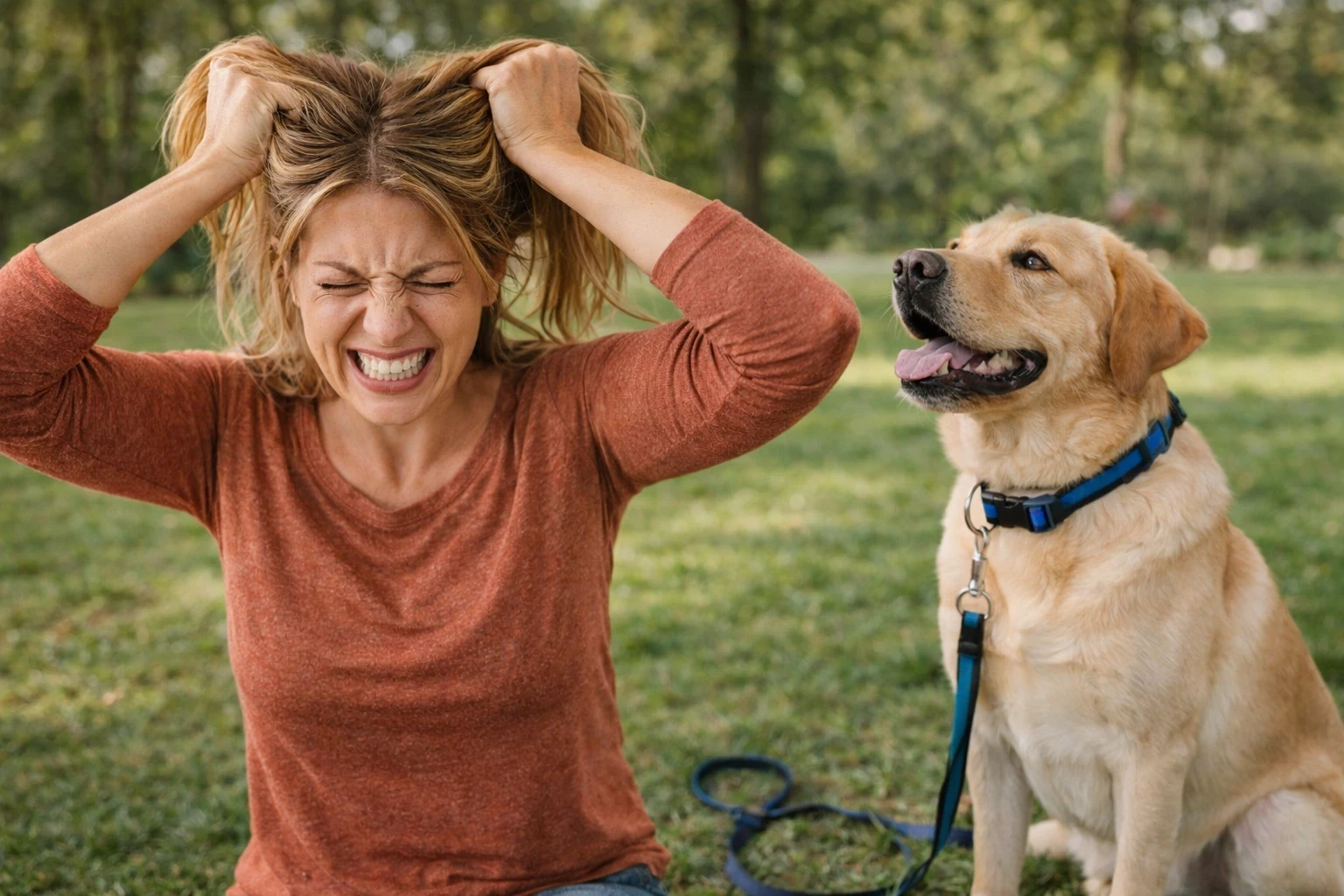
- Punishing Fearful Behaviors: Yelling or scolding makes most anxious dogs more stressed out and chips away at trust.
- Forcing Social Interactions: “Flooding” a scared dog with company or taking them into busy places before they’re ready usually backfires. Let your dog’s confidence grow at their speed.
- Rushing Training: Hurrying exposure or pushing too much too soon increases the chance of setbacks, causing your dog to cling more tightly to nervous habits.
- Inconsistent Rules: Changing up what’s allowed or not, like letting your dog on the couch some days and not others, confuses dogs and ramps up their stress.
Many owners accidentally make anxiety worse without realizing it. My article on Common Dog Training Mistakes covers several mistakes that can slow progress and increase stress in anxious dogs.
When Anxiety Turns Into Reactivity
Sometimes anxiety shows up as reactivity. It’s not a dog being “bad,” but a dog who feels they have no other options when overwhelmed. Watch for these situations where anxiety can spill over into reactivity:
- Barking at Strangers: Dogs might try to drive away scary people if they feel cornered or unable to escape.
- Lunging on Walks: Overloaded dogs could bark or lunge at people or dogs that feel like threats.
- Fear-Based Aggression: Snapping or biting happens when stress builds up and a dog feels trapped.
If your rescue dog’s anxiety has progressed to growling, snapping, lunging, or other aggressive behaviors, you may need a more structured behavior modification plan. I recently reviewed Method K9 Dog Training, a program designed specifically for owners dealing with reactive and aggressive dogs.
Recognizing when your dog’s anxiety crosses into reactivity is critical. It’s a sign you should adjust your approach and possibly slow down introductions or exposures.
If your dog’s anxiety has started turning into growling, lunging, or fear-based aggression, read How To Train A Rescue Dog With Aggression Issues (Even If You Feel Overwhelmed Right Now) for additional guidance.
A Training Program That Can Help Rescue Dogs Gain Confidence
Why Structured Training Matters
Clear, reliable training helps dogs build skills and confidence one step at a time. Structure lets anxious dogs spot patterns and predict what happens next, making it easier to focus on you instead of their worries. If you’re looking for a structured step-by-step training system for an anxious rescue dog, I recommend checking out Train Pet Dog Reviews 2026 – Adult & Re-Homed Dogs. One thing I like about this program is that it focuses on building trust, confidence, and communication rather than relying on punishment-based methods.
Teaching leash manners, basic cues, and relaxation (like “go to your bed”) gives anxious dogs confidence and a sense of control in their environment.
A Practical Training Resource
If you’re looking for a step-by-step game plan, my go-to is the Train Pet Dog online dog training courses. This program walks you through real-world advice for rescue dogs—building trust, reading your dog’s body language, and teaching calmness in daily life. It’s flexible for any experience level and breaks things down so you can easily game plan your progress. You can learn more about the program and see my full review here: Train Pet Dog Reviews 2026 – Adult & Re-Homed Dogs.
When to Seek Professional Help
Some anxiety is more than basic routine or training can handle. Here’s when you should ask a trainer, behaviorist, or vet for help:
- Severe Separation Anxiety: Dogs who panic, hurt themselves, or wreck things when left alone need expert support.
- Self-Injury: Excessive licking, chewing, or scratching that leads to sores or infections deserves medical and behavioral care.
- Aggressive Behavior: Lunging, snapping, or biting (toward people or animals) isn’t safe—if you’re worried, it’s always a good idea to call in a pro sooner rather than later.
The right help at the right time can set both you and your dog up for a happier future together.
Final Thoughts
Helping a rescue dog work through anxiety takes time, patience, and consistency, but the effort is often worth it. While progress may feel slow at times, many rescue dogs become calmer and more confident once they learn that their new home is safe, predictable, and permanent.
The most important thing to remember is that anxious behavior is usually rooted in fear, not stubbornness or disobedience. By creating routines, rewarding calm behavior, and allowing your dog to move at their own pace, you can help build the trust they need to thrive.
If you’re looking for a structured step-by-step approach to building confidence and improving behavior in your rescue dog, I recommend reading my Train Pet Dog Reviews 2026 – Adult & Re-Homed Dogs article. It covers a training program specifically designed to help owners work through common behavior challenges while strengthening the bond with their dog.
Remember, you don’t have to be a perfect dog owner to help your rescue dog succeed. Small, consistent steps can make a big difference over time.