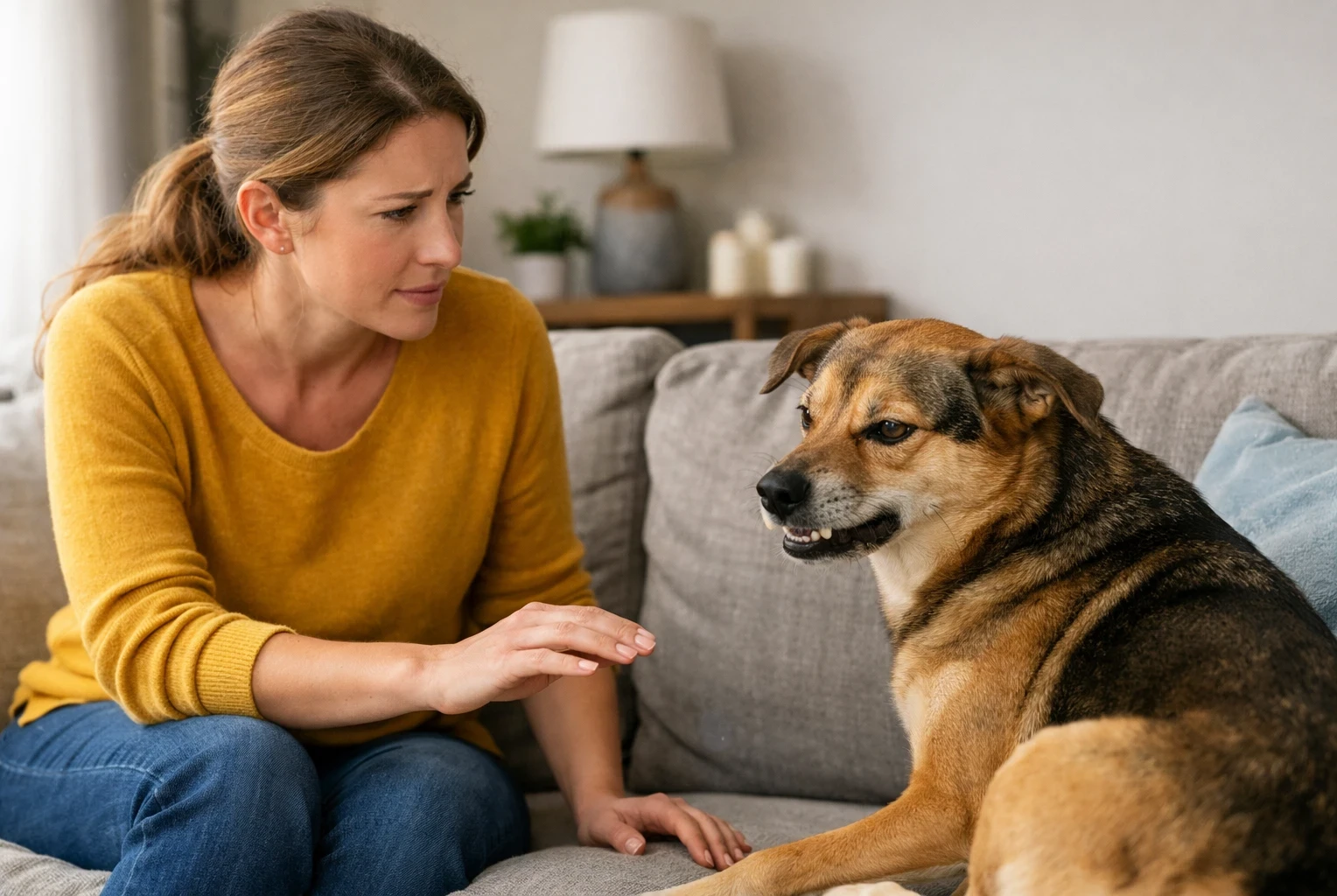
If you’re asking why is my rescue dog growling at me, you’re not alone—and it can feel confusing, upsetting, and honestly a little scary.
You might be wondering:
- Did I do something wrong?
- Does my dog not trust me?
- Is this going to turn into something worse?
Here’s the truth most people don’t realize…
Growling isn’t your dog being “bad.”
It’s your dog trying to communicate something important.
And especially with rescue dogs, that message is often rooted in fear, uncertainty, or past experiences you may not even know about yet.
The good news?
Once you understand why your rescue dog is growling, you can start fixing it in a way that actually builds trust—instead of making things worse.
In this guide, I’ll break down exactly what’s going on—and how to safely stop the behavior.
A quick note of transparency: This post contains affiliate links. If you make a purchase through my links, I may earn a small commission at no extra cost to you—which helps support this site and my continued research into effective, breed-specific training methods. I only recommend resources I’ve personally tested and believe in.
If you want a step-by-step system you can follow right away, I break down one of the most effective programs here:
👉 TrainPetDog review
Why This Feels So Scary (You’re Not Alone)
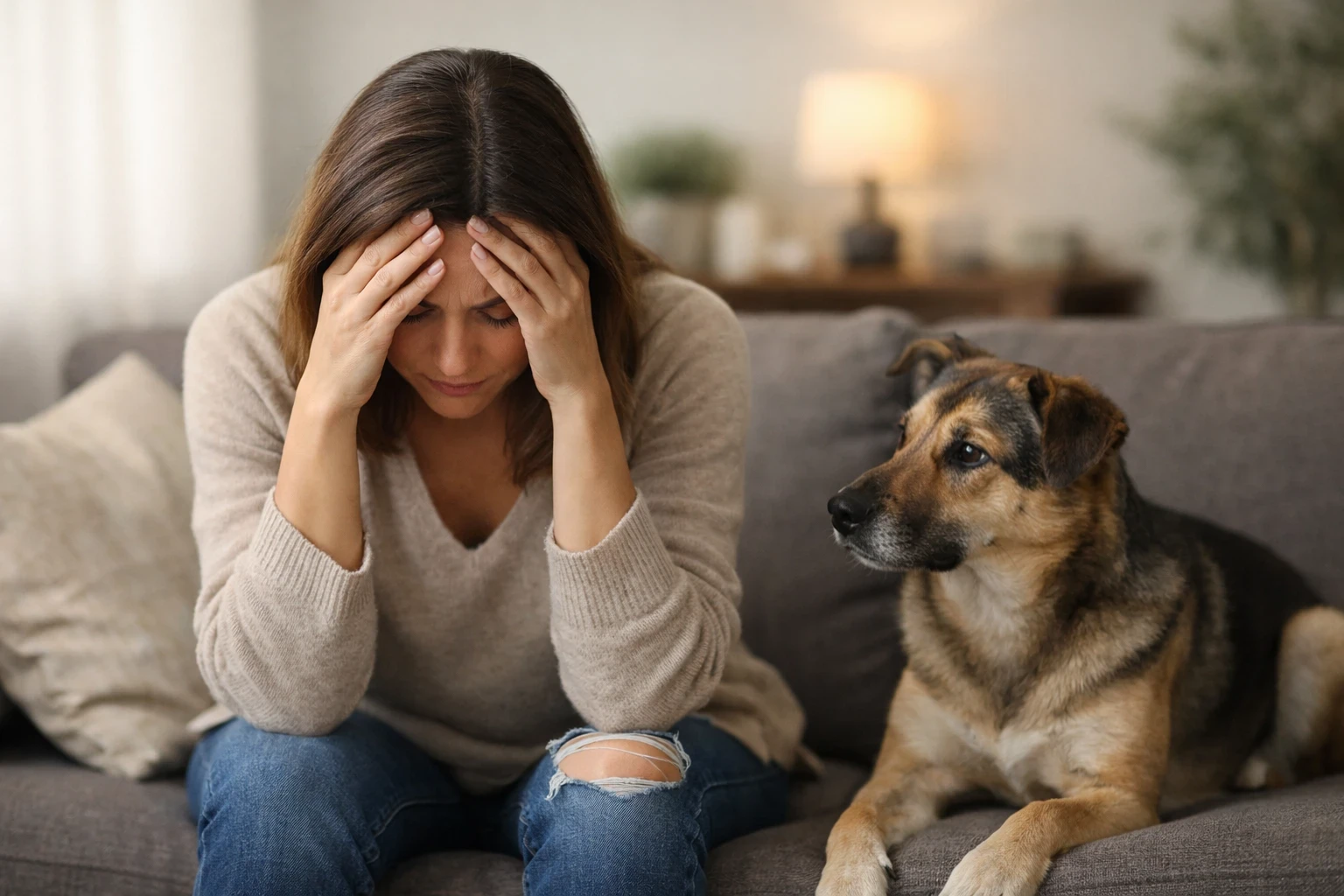
Hearing your rescue dog growl can feel really alarming. I remember when my own rescue first did it. My heart honestly leaped out of my chest. Many owners feel embarrassed, frightened, or even guilty, thinking they did something wrong. If this sounds like you, you’re definitely not alone.
Growling is actually a very normal part of canine communication. Dogs can’t sit down and explain what’s wrong using words, so a growl is how they say, “I’m uncomfortable,” or, “Please give me space.” With rescues, these feelings can be stronger because of their background.
Feeling uneasy or confused is common. You’re not failing, and your dog isn’t a “bad” dog. This is just communication, and figuring out the reason is the first step to improving your relationship.
What It Really Means When Your Rescue Dog Growls

I’ve worked with many rescue dogs, and in most cases, their growls have pretty reasonable explanations. Here are the ones I see most often:
Fear and Lack of Trust
A lot of rescue dogs haven’t had much stability before. If your dog is new to your home or has a history of being mistreated, fear is probably behind the growling. This can happen if you move too quickly, bend over them suddenly, or even just try to pet them when they haven’t decided you’re safe yet.
Resource Guarding (Food, Toys, Space)
Some rescue dogs get protective about their food bowl, bed, toys, or even certain people. This is called resource guarding. If you hear a growl when you walk by their dinner or reach for a favorite toy, it’s usually their way of saying, “Please don’t take this from me.”
I found that building predictability and not taking things away suddenly really helped in my home. If you notice your dog tense up or stare at you as you approach a guarded item, that’s another sign of resource guarding.
Overstimulation or Stress
Busy environments, too many new experiences, loud noises, or a lot of people coming and going can overwhelm a rescue dog. I’ve seen my own dog start growling at the end of a hectic day.
Sometimes, it’s just stress or tiredness talking; imagine being constantly on edge in a new place. Dogs that aren’t used to kids, visitors, or city noise may become agitated and need a quiet spot to unwind, so be ready to offer a safe retreat.
Pain or Physical Discomfort
If your rescue dog starts growling out of the blue, especially when touched or handled, discomfort or pain might be the reason. Maybe there’s an old injury, arthritis, a bad tooth, or just general soreness.
Always consider a health check with your vet if the growling is new or if you notice limping, yelping, or other behavior changes alongside the growling. Even subtle shifts in movement or reluctance to climb stairs can be medical clues worth checking out.
Past Trauma or Negative Associations
Rescue dogs often bring emotional baggage. Sometimes, a certain movement, object, or even a type of clothing can trigger a memory of something unpleasant. If your dog growls when you pick up a broom or wear a hat, it might remind them of something bad from their past.
This doesn’t mean you caused it; it just means your dog needs more time and understanding. Be patient and let your dog set the pace for new experiences, and offer gentle encouragement rather than force.
⚠️ The Biggest Mistake Owners Make (That Makes It Worse)
I made plenty of errors before learning what really helps rescue dogs feel safe. My first rescue dog, Lily, hated cages. I didn’t understand why, when I would try to crate train her, she would go absolutely crazy. Thank goodness I didn’t force the issue. She had obviously had a bad experience with crates.
But my other two rescues, Jack and Jill, loved the crate. For them the crate was a source of comfort. So, I learned to be really sensitive about how dogs react to certain stimuli.
Here are two common missteps that can make things go south real fast.
Punishing the Growl
Many people think that stopping the growl fixes the problem. In reality, punishing a dog for growling teaches them to hide their discomfort. The next time, they might skip the warning and just snap.
Growling is a warning sign. A chance for you to change what you’re doing so no one gets bitten.
For more about this, check out my guide on How to avoid common dog training mistakes.
Ignoring Early Warning Signs
Growling rarely comes out of nowhere. Look for small clues like stiff body language, turning away, showing the whites of their eyes, licking lips, or yawning when not tired.
Noticing these early cues can help you step in before it turns into a growl or snap. Paying attention to your dog’s signals is really important for building trust and safety. Remember, dogs use their whole body to communicate.
Sometimes their ears or tail can offer hints even before they growl.
Is My Rescue Dog Being Aggressive?
This is a question that worries a lot of people: “Does growling mean my dog is dangerous?” Most of the time, growling does not mean a dog wants to bite. It’s a warning, a type of honest communication. Think of it as your dog saying, “I feel uncomfortable right now.”
Biting and growling are different. Growling gives you a heads-up. Aggression would mean the dog is seeking out conflict, but rescue dogs usually only act that way out of fear, pain, or confusion.
If your dog’s growling quickly escalates or comes with snapping, lunging, or biting, that’s when you’ll want to take extra steps and probably call in a professional.
You can learn more about different kinds of dog behavior problems like this in my Dog Behavior Library.
So… How Do You Stop a Rescue Dog From Growling?
Stopping the behavior is less about eliminating growling and more about addressing what causes it in the first place. Building your dog’s trust safely and turning growling into calmer behavior happens over time, not overnight. That’s the goal; you want your dog to feel safe enough that they don’t need to warn you anymore.
Step-by-Step: How to Stop Your Rescue Dog From Growling Safely
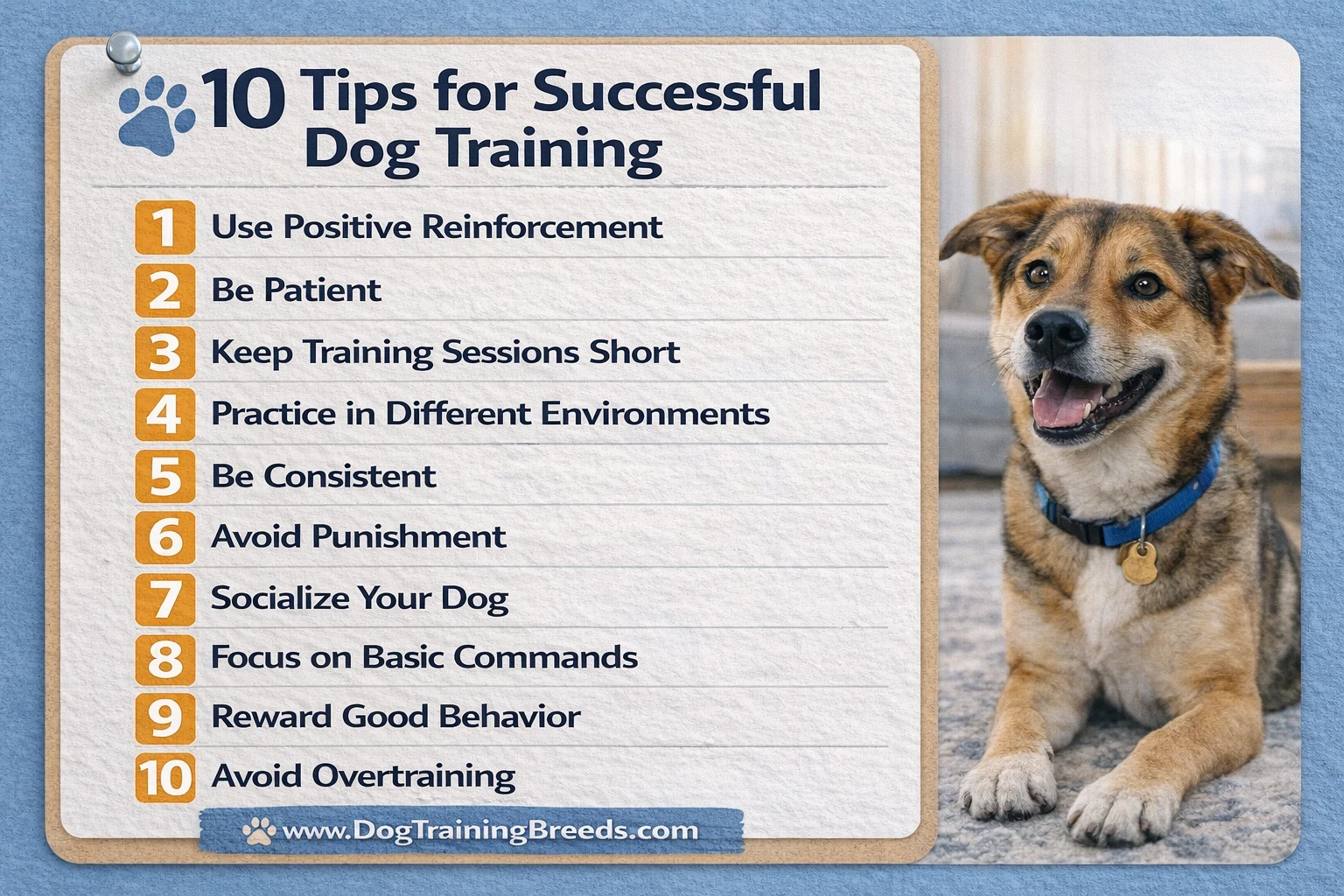
I’ve found that following a clear plan simplifies things for both you and your rescue dog. Here’s what’s worked best for me and for many people I’ve helped:
Step 1: Identify the Trigger
Figure out what sets off the growling. Is it when you reach for their food? Pet them while they’re on the couch? Approach when they are resting? Write down what happens right before the growl, and you’ll spot patterns that make it easier to address the root cause.
Step 2: Create Distance and Safety
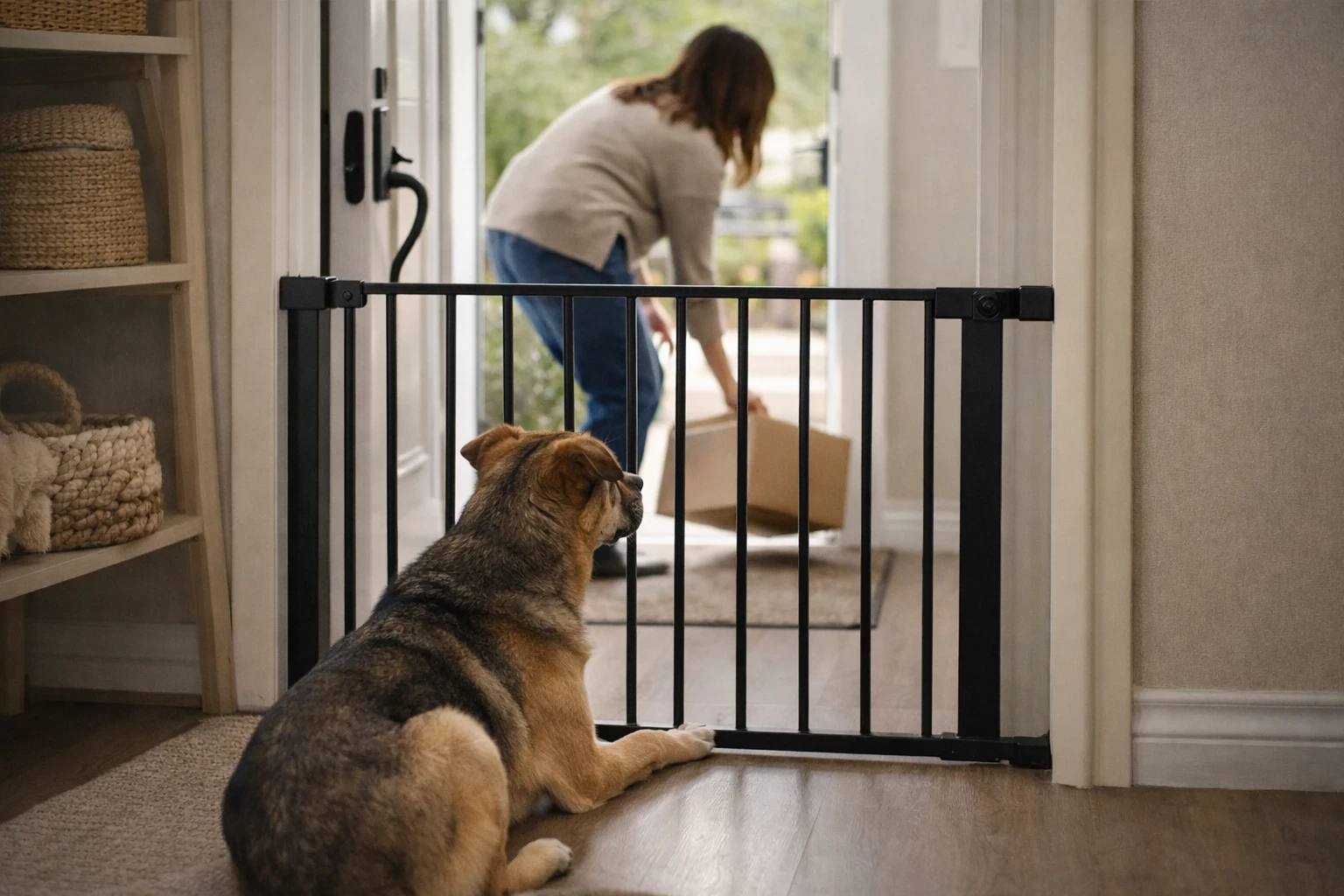
Once you know the trigger, take a step back, both literally and emotionally. Give your dog extra space, and let them approach you on their schedule. If meal times or toy guarding are issues, set up feeding in a quiet, low-traffic area. Respecting your dog’s boundaries helps them understand that they can trust you.
Step 3: Build Positive Associations
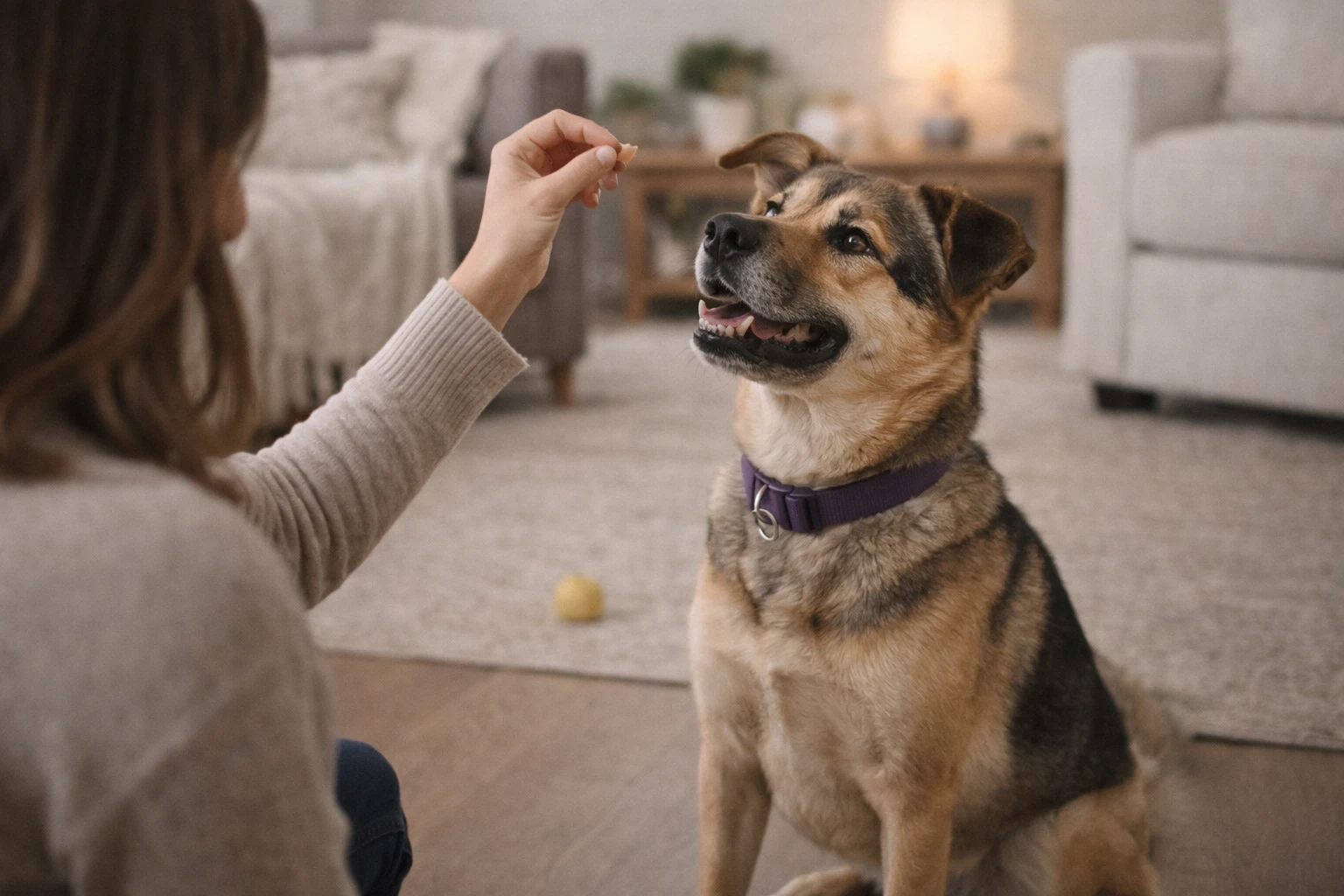
Pair your presence near the trigger with something awesome for the dog, like a special treat. If your dog growls when you walk by their bed, start by walking at a distance and tossing a treat as you go by.
Over days and weeks, you can slowly get closer, as long as your dog stays relaxed. Staying consistent with rewards can help your dog change their emotional response to the trigger.
Step 4: Reward Calm Behavior
Praise and treat your dog anytime they act relaxed in situations that used to trigger a growl. Calmly ignore mild, nonaggressive growling, and shower them with love and rewards for calm signals.
Watch for tail wags, soft eyes, or relaxed postures, and let your dog know you appreciate their calm choices.
Step 5: Follow a Structured Training Plan
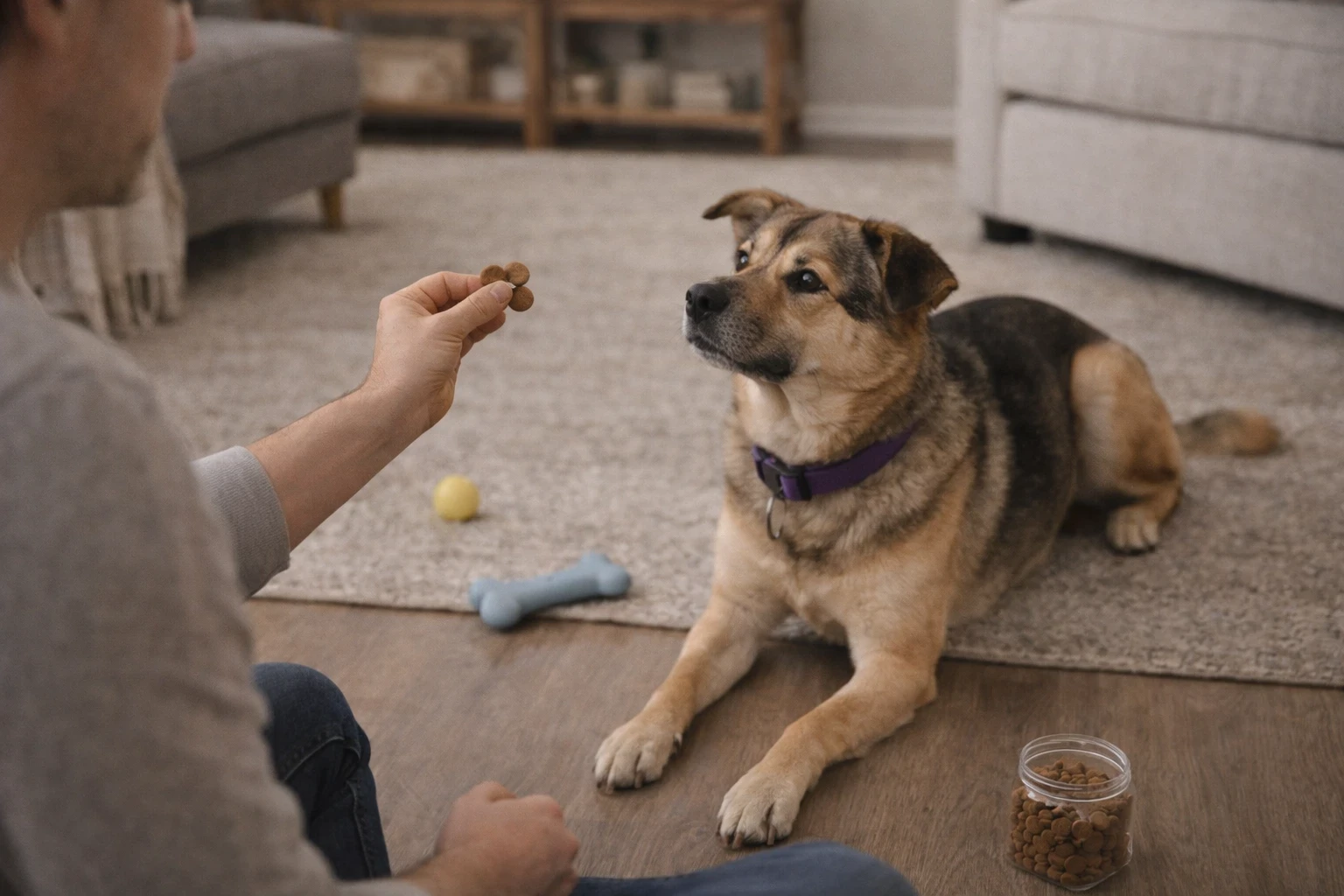
Consistency matters. Having a structured training program to follow keeps everyone on track and avoids confusion. Small, daily steps build trust and replace fear-driven reactions with positive behavior. A daily routine makes it easier for your dog to predict outcomes, which reduces uncertainty and fear.
If you’re not sure where to start or want something already mapped out for you, following a structured program can make this process much easier and less overwhelming.
The Fastest Way to Fix This (Without Guesswork)
The hardest part about dealing with growling is knowing exactly what to do in the moment—you don’t want to accidentally make your dog more fearful or reactive.
That’s why many rescue dog owners choose to follow a structured training program instead of trying to figure it out on their own.
👉 I break down one of the most effective step-by-step programs here:
TrainPetDog review
It shows you exactly how to handle behaviors like growling, reactivity, and trust-building in a way that’s clear and easy to follow.
When to Get Professional Help
If you ever feel unsafe, if the growling quickly turns to snapping or biting, or if you feel overwhelmed dealing with complex triggers, call in a certified dog trainer or behaviorist.
Many trainers today specialize in rescue dogs and can work with you via video calls or at home. You’ll never regret investing in professional help when things start to feel too tough to manage alone.
Final Thoughts: Growling Is Communication, Not Defiance
If your rescue dog is growling at you, don’t ignore it, but don’t punish it either. The key is understanding what your dog is trying to tell you and responding the right way.
Growling is just your dog’s way of saying “I’m not okay right now,” not a sign they dislike you or want to harm you. All you need is the right approach, empathy, and time.
If you want a clear, step-by-step system to follow without second-guessing yourself, you can check out my full breakdown here:
👉 TrainPetDog review