
How to train my rescue Jack Russell Terrier Terrier is something many owners search when life suddenly feels like a whirlwind of energy, stubbornness, and unexpected chaos.
Adopting one of these dogs can feel like inviting a tiny tornado into your home—especially when rescue history adds extra layers you weren’t prepared for. The good news?
Your Jack Russell isn’t broken, hopeless, or impossible to train. You didn’t mess this up, and you’re definitely not alone—this is fixable with the right approach.
Just a quick heads-up for transparency: this article may include affiliate links. If you choose to buy through one of them, I may earn a small commission at no extra cost to you. It helps support DogTrainingBreeds.com so I can keep creating helpful resources.
👉 If you’re dealing with barking, hyper behavior, or a dog that just won’t listen, this step-by-step training program designed specifically for Jack Russell Terriers can help you get control faster.
Why Your Rescue Jack Russell Feels So Hard to Train

Jack Russells are notorious for being high energy and independent thinkers, even without any tough rescue background. If you’re coming from a calm or easygoing breed, it’s normal to feel overwhelmed.
With many rescue dogs, you’re not just dealing with instinct and energy, but also past experiences that shape their behavior. Many of the things that drive new owners up the wall actually come from very normal Jack Russell instincts mixed with a tricky history.
If your dog’s behavior feels confusing or unpredictable, it helps to understand what’s really going on underneath—this guide on rescue dog behavior issues breaks it down clearly.
The Reality of Jack Russell Terrier Energy Levels
Jack Russells were bred to hunt, chase, and problem solve all day long. That drive doesn’t disappear just because they’re now family pets. It’s pretty common for these dogs to seem like they come with an endless supply of energy.
Three walks a day won’t always cut it for them. Mental challenges and structured activities are super important for this breed.
How a Rescue Background Affects Behavior
Many rescue Jack Russells haven’t had great experiences with people, routines, or even basic training. Past trauma, confusing rules, or just being shuffled around can lead to anxiety, reactivity, or stubbornness. It’s really normal for a rescue to be wary of new commands, slow to trust, or quick to try taking control.
Why “Stubborn” Usually Means Something Else
Most people label Jack Russells stubborn, but often what looks like defiance is actually confusion, overstimulation, or a lack of clear structure. They’re smart enough to test boundaries, so if rules are loose or inconsistent, you’ll see pushback fast.
The Biggest Mistakes Owners Make With Rescue Jack Russells

Everyone makes mistakes starting out with this breed, especially when they seem to break every rule, ignore you, or bounce off the walls.
A lot of these mistakes happen when you don’t have a clear system to follow—this breakdown of the biggest training mistakes that make behavior worse can help you avoid making things harder.
Here are the things that trip people up most often:
Expecting Them to Calm Down Naturally
This is a big one. Hoping your Jack Russell will just “settle” with time or age usually backfires. Without daily outlets for their energy and brainpower, the wildness and chaos just increase.
Not Providing Enough Mental Stimulation
These dogs need their brains worked as much as their bodies. Boredom leads to destruction (chewing, digging, barking) and frustration. Training games, puzzle toys, and regular challenges really help. Mixing in some variety is key so they never know what game or activity might come next.
Inconsistent Rules (They Exploit This FAST)
If one person lets your Jack Russell on the couch but another says no, guess who wins? They’re masters at testing and exploiting mixed signals. Everyone needs to be on the same page, or the chaos builds quickly. Even minor inconsistencies in tone or routine can make a difference.
Using Too Much Correction Instead of Structure
Yelling or correcting non-stop wears you down and can make rescue dogs anxious or reactive. Structure, routines, and teaching alternative behaviors help way more than punishment. Consistency in cues and calm leadership go a long way toward building respect and safety.
Step-by-Step: How to Train Your Rescue Jack Russell Terrier

Training this breed, especially a rescue, is totally doable, but it’s about smart steps and patience rather than going head to head with stubbornness.
Step 1: Build Trust First (Before Obedience)
Trust comes before anything else with a rescue dog. Regular routines, calm body language, and positive reinforcement work wonders. Feed by hand, reward eye contact, and keep your energy low and reassuring.
If your dog seems skittish, hang out in the same room letting them approach on their own terms. Let them track down your presence as a sign of routine comfort.
If your dog is struggling with trust, fear, or anxiety, this guide on how to train a rescue dog with behavioral issues will help you build that foundation first.
Step 2: Drain Energy the RIGHT Way (Not Just Walks)
Dog parks or long walks sound like the solution, but real results come from combining physical and mental work. Add in sniffing games, fetch with rules, tug games with “drop it” cues, or practice obedience in busier settings.
Consider adding hide-and-seek games or simple scent trails at home to let them use their natural detective skills. These activities give a boost to both body and brain.
If your dog still feels out of control after trying this, it’s usually not about effort—it’s about structure. That’s exactly where a Jack Russell–specific training program like this can make a huge difference.
Step 3: Start With Simple Commands That Actually Stick
Focus on basics like “sit,” “stay,” “come,” and “leave it.” Keep lessons short (5–10 minutes) and focus on one thing at a time. Lots of praise, tiny treats, and ending on a win help hold their focus. Try different rewards—some Jack Russells work even better for play or affection than food.
Step 4: Use Short, Focused Training Sessions
Forget hourlong lessons. Jack Russells learn best when things are fresh and fun. Several short sessions per day work better than one long one. Track progress by jotting notes after each session; you’ll spot improvement over time.
Step 5: Redirect Instead of Punish
When bad behavior pops up, offer an easy alternative: “Don’t chew the couch, chew this toy.” Reward the right choice right away. It’s way more productive than scolding after the fact, so make redirection your default response.
How to Handle Common Jack Russell Behavior Problems

Some issues just seem built in with the breed, and rescue dogs often exaggerate the challenge. Knowing what to expect and how to respond can give you an edge and a bit of hope.
Constant Barking at Everything
Barking often comes from boredom, alertness, or anxiety. Teaching a “quiet” command, rewarding calmness, and covering windows for visual triggers really help. Don’t forget to tire them out mentally, not just physically. Sometimes background music can tone down reactivity as well.
If barking feels constant or random, this guide on how to stop a dog barking at nothing walks you through simple steps that actually work.
Destructive Chewing and Digging
Give plenty of chew toys (rotate them to keep things interesting) and make a digging pit or sandbox outside if possible. Redirection and praise for choosing the right outlet do way more than yelling. Supervise all play at first and celebrate small moments of good decisions with treats or playtime.
Not Listening or Ignoring Commands
If your Jack Russell acts like they can’t hear you, it’s often distraction overload or a need to bond more. Training in quiet areas and building up to distractions gradually gets better results. As their trust and attention improve, so will their reliability in responding to you, even in busier places.
If your dog ignores you on walks or pulls constantly, this guide on how to stop your dog pulling on the leash can help you regain control.
Chasing and High Prey Drive
This instinct is strong in Jack Russells. Long lines, solid recall practice, and redirecting their chase drive into fetch or tug are all super useful. Be careful with offleash time until recall is solid even around squirrels or moving objects. Using toys as rewards can help channel their natural urges into more controlled, safe play.
Jumping and Hyper Behavior
Ignore jumping (look away, hands in pockets) and only reward calm four on the floor behavior. Teach a “place” or “settle” command to give them a job when guests arrive. You can add greeting rituals, like sitting before saying hello, to reinforce self control in exciting moments.
How to Calm a Hyper Jack Russell Terrier (Realistic Expectations)
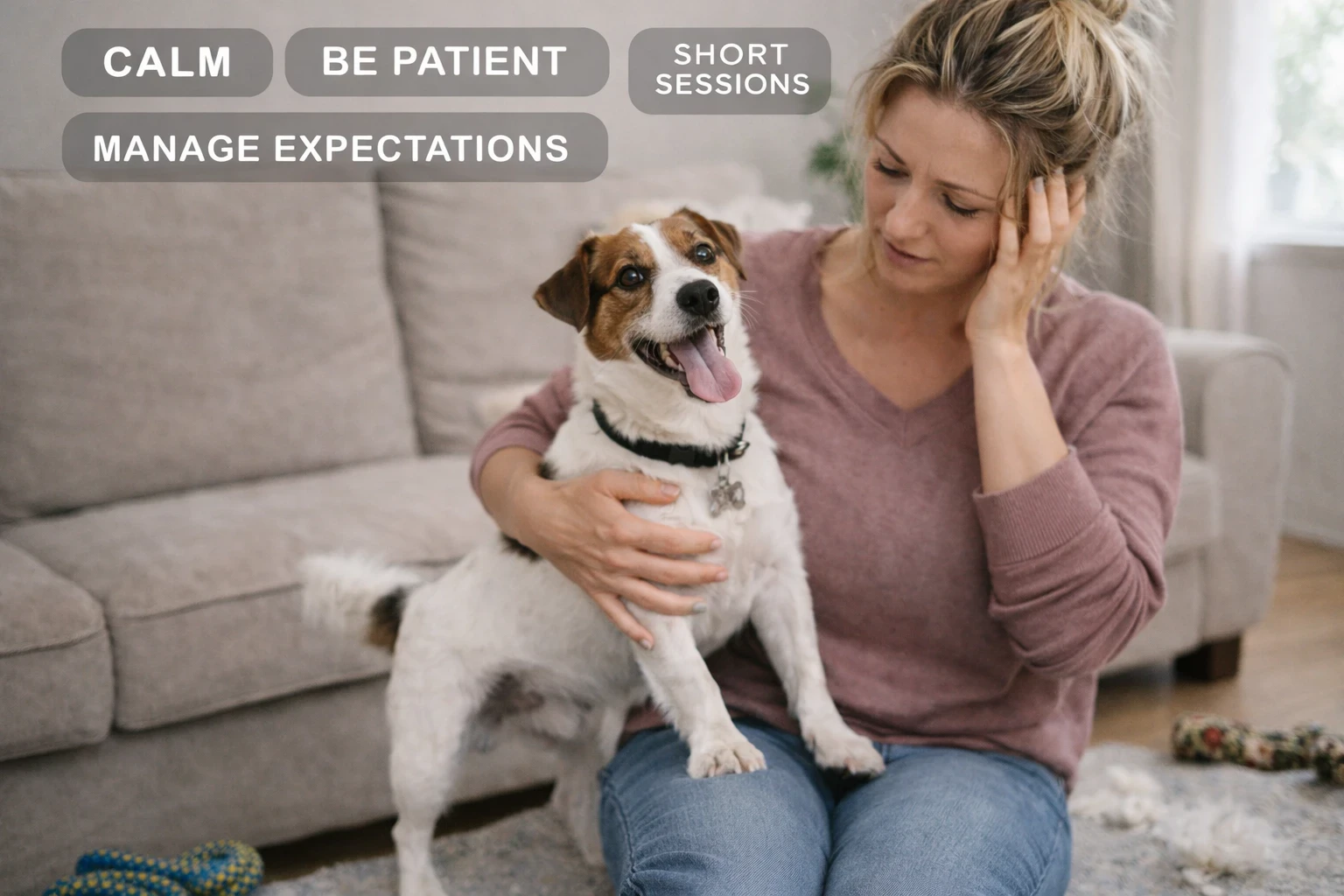
It’s totally normal for Jack Russells to feel wild, especially when the doorbell rings or after a nap. Calming them isn’t about wearing them out until they collapse. It’s about satisfying both their body and brain and giving them outlets for their unique talents.
If your dog seems anxious on top of being hyper, this guide on why rescue dogs become anxious can help you understand what’s really going on.
Why “Tiring Them Out” Isn’t Enough
Physical exercise alone, even hours of fetch, often results in a fitter but still wild dog. Mental challenges, sniff walks, puzzle feeders, treat scavenger hunts, and new skill learning help settle their minds. Enriching their routine stops frustration before it starts.
The Power of Mental Work vs Physical Exercise
Ten minutes of nosework or new trick training can mellow out a Jack Russell better than an hour chasing balls. Mixing it up prevents boredom, which is usually the cause of most “crazy” behavior. Keep a list of games and rotate new ones in weekly for best results.
Creating a Daily Routine That Works
Jack Russells crave structure. Have a daily pattern for walks, meals, play, and quiet time. Predictable routines help your rescue dog feel safe and in control, which leads to calmer behavior over time. Try winding down with evening trick practice or a calming scent toy for smoother transitions between activity and rest.
Training Tools That Actually Help (Without Making Things Worse)
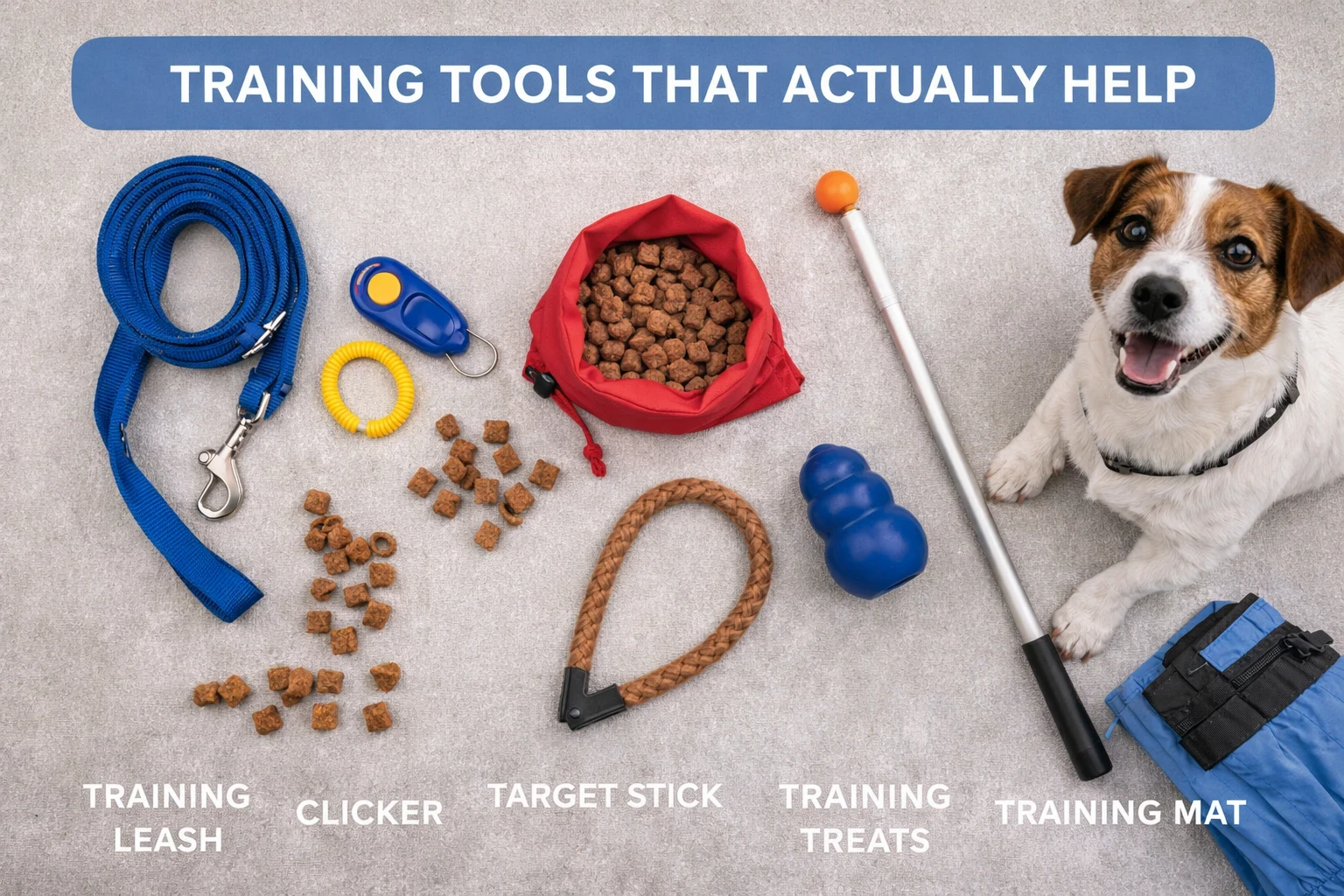
If you want a done-for-you system that shows you exactly what to do each day, this Jack Russell–focused training program walks you through it step by step—even if you feel overwhelmed right now.
The Right Leash and Harness Setup
A sturdy harness (not a collar) helps with pulling and protects their necks. A long training line is great for safe recall practice and gives them some freedom without the risk of runaway adventures. Durable leashes and no-pull harnesses better match their athleticism and drive.
Interactive Toys for Mental Stimulation
Puzzle feeders, treat balls, stuffed KONGs, and lick mats burn brain energy and keep your Jack Russell busy in productive ways. Introduce new toys regularly for more engagement and challenge.
Structured Training Programs
Sometimes online courses or group classes are really helpful, especially those focused on high energy or rescue dogs. TrainPetDog is worth checking out for step-by-step videos and tailored advice. Connecting with online communities can also give ongoing support when you need fresh ideas.
How Long It Takes to Train a Rescue Jack Russell
Training isn’t a straight line, especially with rescue dogs. You’re retraining old habits and building new bonds, so expect a few setbacks as well as some great leaps forward. Patience is your best friend on this adventure.
If you’re dealing with more serious issues like aggression or reactivity, this guide on training a rescue dog with aggression issues can help you take the next step safely. If progress feels slow or inconsistent, following a structured Jack Russell–specific program like this can help you stay on track.
What Progress Really Looks Like
Progress can look like a calmer greeting at the door, a little less barking, or coming when called even once in a new situation. Watch for tiny wins rather than waiting for total perfection. Each success adds up over time to be a big change.
Signs You’re On the Right Track
- More eye contact and check-ins during walks
- Choosing toys over chewing shoes
- Listening to commands around more distractions
- Recovering faster from overstimulation
When to Get Extra Help
If you’re still totally overwhelmed, or if you’re dealing with biting, aggression, or constant fear, trainers with rescue or terrier experience can be a lifesaver. There’s no shame in getting backup, and sometimes a pro can spot what you’ve missed or suggest simple tweaks that make a big impact. Seeking advice early saves headaches later.
Quick Wins You Can Start Today
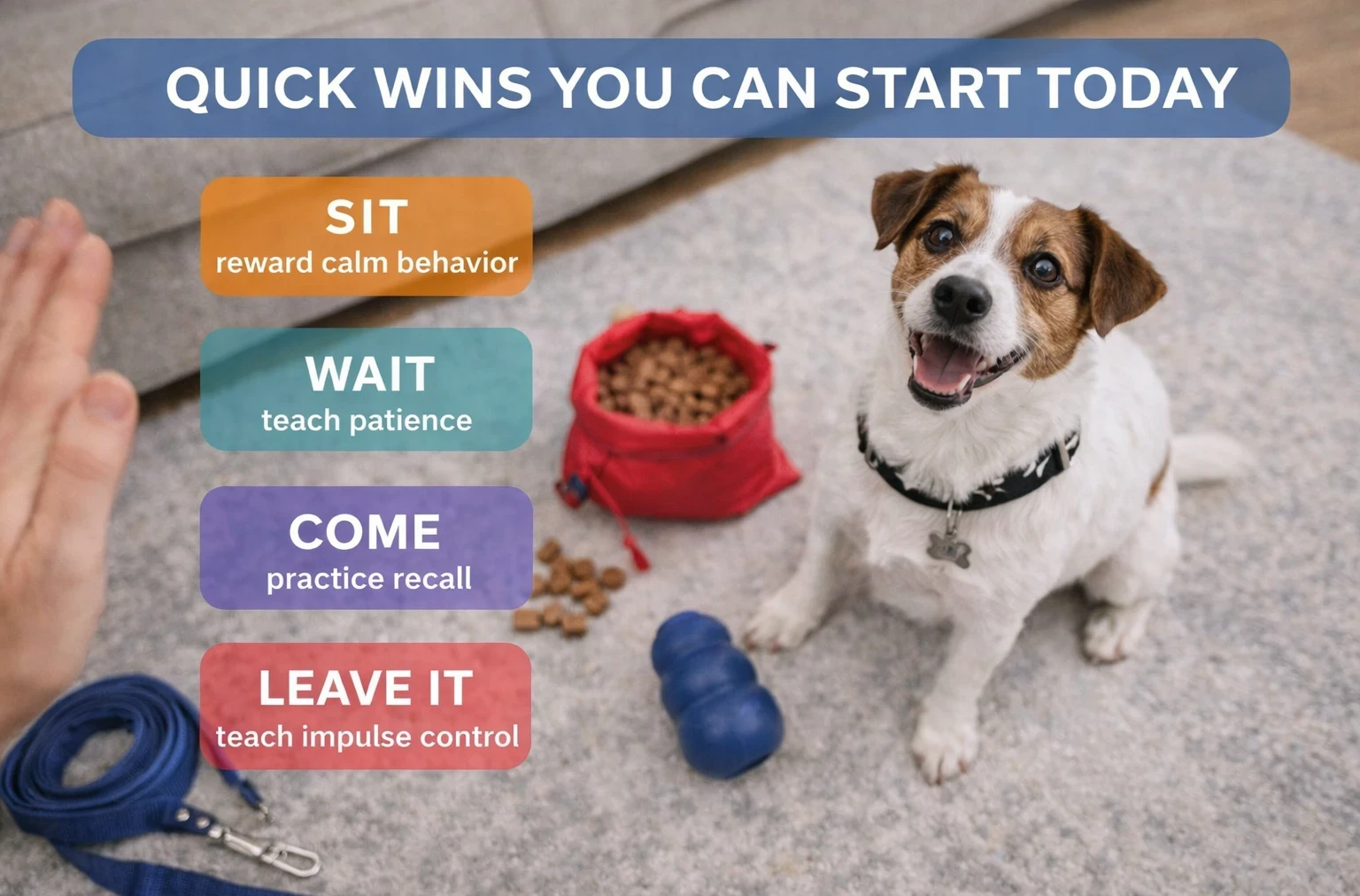
- Hand-feed meals to build trust and slow down mealtimes
- Add 2 minutes of “find it” games before walks for mental warmup
- Rotate toys each day to keep things exciting and novel
- Practice “sit” for everything your dog wants (treats, toys, access outside)
- Introduce a “place” mat for calm settling on command and as a safe base
If you want results like this without guessing what to do next, following a structured Jack Russell–specific training plan like this can make everything easier.
Who This Guide Is For / Who It’s Not For
If you want peace in your home and are ready for patience and consistency (even if you’re brand new to this breed), you’re in the right place. If you demand instant results or want a couch potato dog, Jack Russells may not be the right fit; these dogs keep you on your toes, but the payoff is real. They’re best for owners looking for an active, clever, and rewarding challenge.
Final Thoughts: Your Jack Russell Isn’t “Too Much”—They’re Misunderstood
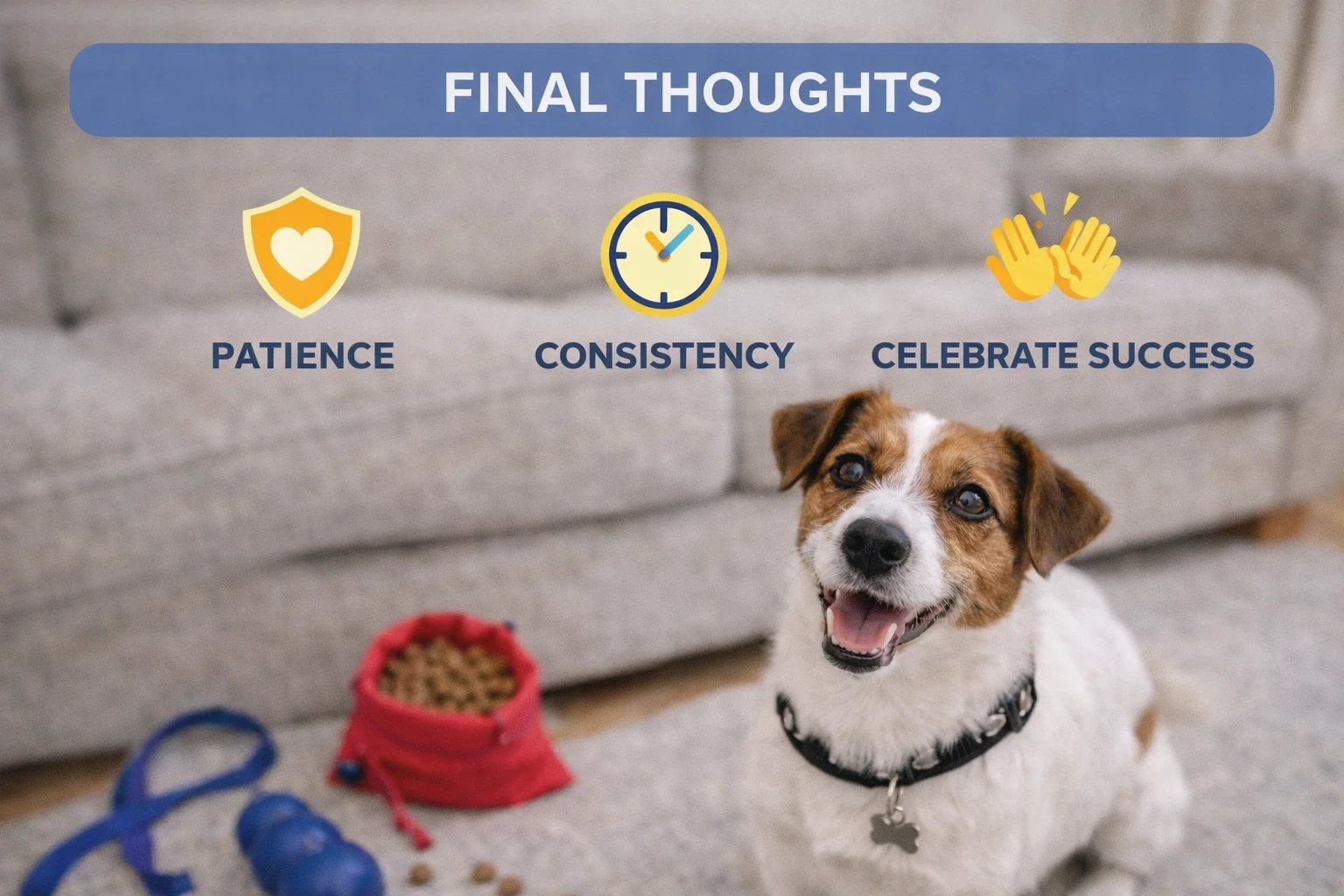
If you’re feeling overwhelmed right now, you’re not alone—and you don’t have to figure this out by yourself.
👉 You can check out the full Jack Russell–specific training program here and start seeing real changes in your dog’s behavior.