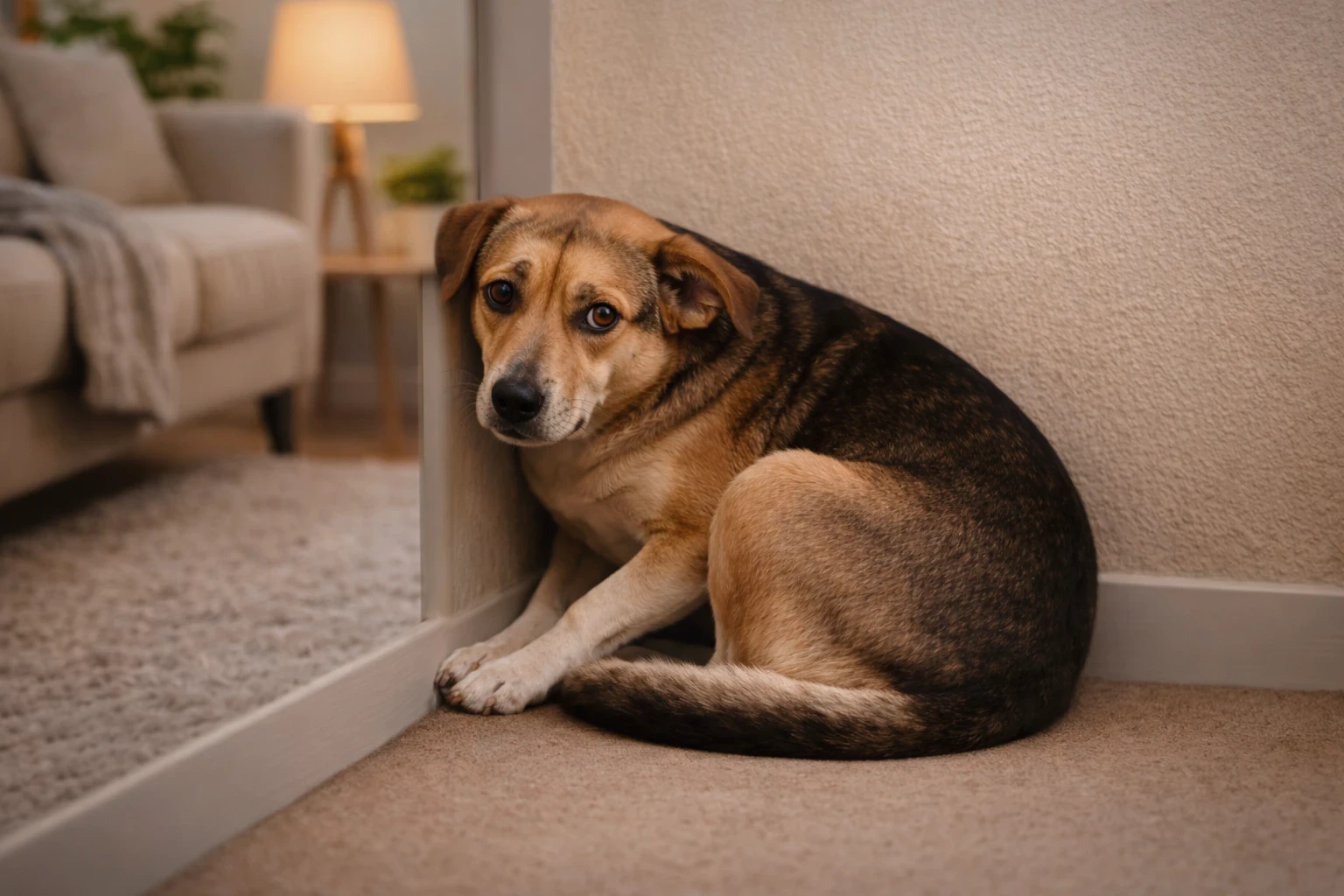
Bringing home a rescue dog is a big, meaningful step—and it’s completely normal to run into a few bumps along the way. If your new dog is showing signs of aggression, you might feel stressed, overwhelmed, or even start questioning your decision.
I’ve seen so many new adopters go through this exact phase, and here’s the truth: it doesn’t mean you made a mistake—and it doesn’t mean your dog is beyond help.
In most cases, this behavior comes from fear, uncertainty, or not feeling safe yet… and those are things you can work through together.
Just a quick heads-up for transparency: this article may contain affiliate links. If you choose to purchase through one of them, I may earn a small commission at no extra cost to you. It helps support DogTrainingBreeds.com so I can continue creating helpful, honest dog training resources.
If you’re feeling unsure where to start or worried about making things worse, having a clear, step-by-step plan can take a lot of that pressure off. One option many new rescue dog owners use is this structured training program:
👉 Check out the TrainPetDog step-by-step training program here
Why Rescue Dogs Show Aggression in the First Place
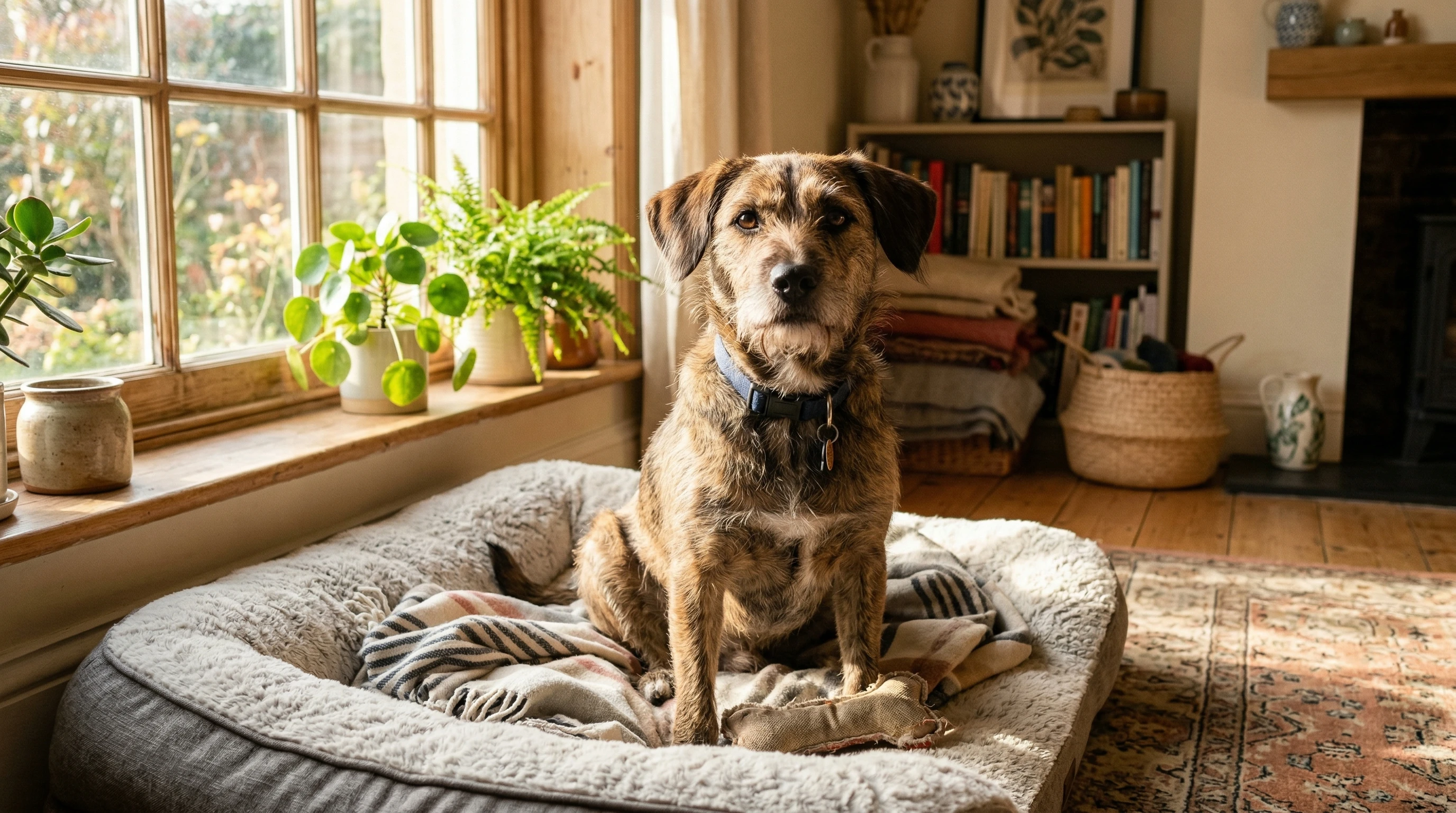
Aggression in rescue dogs is actually pretty common, and for most dogs, it’s based in fear, confusion, or past trauma, not because they’re “bad.” Living in a shelter, being moved around, or going through rough experiences can leave a dog on high alert.
Knowing where your dog’s behavior comes from helps you respond with patience and empathy, not just quick fixes. If you’re still trying to figure out what’s normal vs. concerning, this guide on common rescue dog behavior issues can help you connect the dots.
Fear vs. True Aggression
When a rescue pup lashes out, it’s usually fueled by fear, not by a desire to harm. Many of these dogs are scared or uncertain, especially in a new place filled with unfamiliar people and new scents.
True aggression, where the dog is intent on causing harm, is much less common than fear-driven reactions.
Past Trauma and Unknown History
Rescue dogs often show up with a blank slate when it comes to the details of their old life. Some have faced neglect or injury, and even dogs without big trauma can get defensive just from the stresses of shelter life and moving around. New people, new smells, and new routines can make any dog nervous.
Common Triggers in Rescue Dogs
Common triggers that set off an aggressive response in rescue dogs include sudden movements, loud noises, being approached while on a leash, or having someone reach for their food or toys. Every dog is unique, so it’s a good idea to note patterns and get a sense of what sparks their reactions.
What Aggression Actually Looks Like (And Why It’s a Warning Sign)

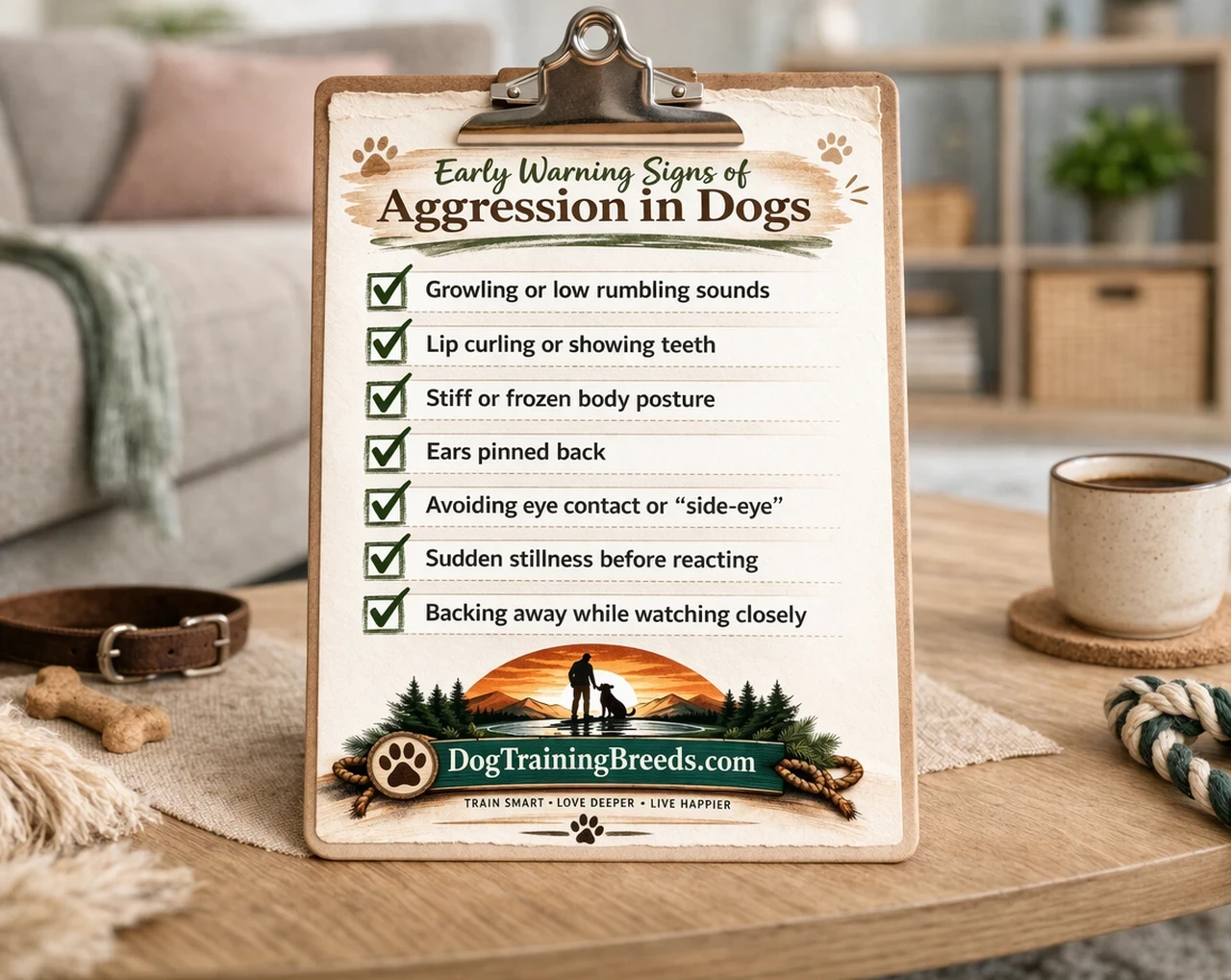
Getting a clear picture of what aggression really means will help you avoid panic if it does happen. Dogs don’t “snap out of nowhere”. They send warning signs first. These warnings are actually helpful, because they tell you what your dog is feeling before things get worse.
If your dog is showing early warning signs like barking or reacting to things around them, this breakdown of why dogs bark at nothing and what it really means can give you more clarity.
Early Warning Signs of Aggression in Dogs
Growling, Snapping, Lunging Explained
Growling is often a dog’s way of saying “back off, I’m nervous.” Snapping and lunging are stronger warnings, but still not meant to cause harm. They’re usually about putting some space between themselves and a threat. Actual biting only comes after lots of warnings have been missed or punished out of them.
Why You Should NEVER Punish Growling
Growling is actually very useful. Punishing a dog for growling doesn’t fix the problem; it just tells them to stop warning you, which can lead them to go straight to snapping or biting next time.
Think of a growl as an honest communication—it’s your dog saying they’re uncomfortable, so take it as your cue to step back and rethink what’s happening.
First Things First: How to Keep Everyone Safe
Safety always comes first. It doesn’t matter how good your training plan is if someone gets bitten or scared. Luckily, there are simple methods to keep everyone safe while you work on longer-term skills.
Managing Your Dog’s Environment
Set up your home so that triggers are more manageable. Use baby gates to give your dog a quiet zone, stash away high value items that inspire possessiveness, and keep visitors limited at first. Keeping things predictable eases stress for your new dog and helps avoid trouble before it can start.
Avoiding Triggers (Without Making Things Worse)
If you know your dog gets reactive around food, toys, or on walks, try to avoid those high stress situations at the start. Managing your dog’s exposure doesn’t mean you’re spoiling them, it just means you’re preventing things from escalating while you build confidence.
Pushing them into stressful moments too soon can make things way harder for everyone involved. This is especially true on walks—if that’s a struggle right now, this guide on how to stop your dog from pulling on the leash can help you regain control safely.
When to Use Distance and Barriers
Barriers like crates or playpens are super useful. Distance matters too—if your dog reacts to guests, keep them in another room or on a leash with extra space until they learn that guests aren’t scary. Just giving them enough distance can help prevent aggression, let you keep control, and help your dog feel safe.
Step-by-Step: How to Train a Rescue Dog with Aggression Issues
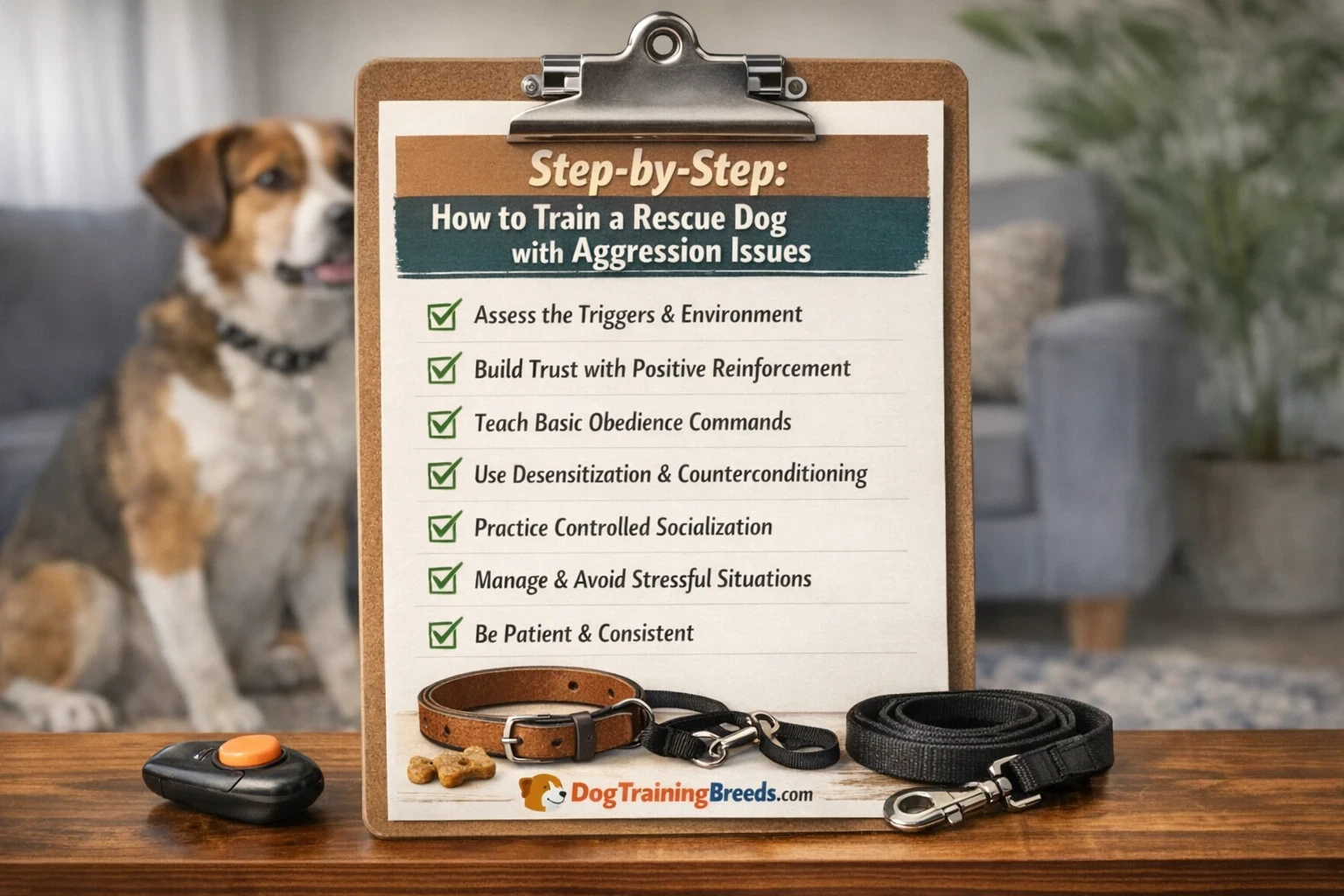
Here’s a game plan that has helped lots of rescue dogs and their families. Remember, each step builds on the one before it, and going at your dog’s pace instead of rushing things sets everyone up for success.
Step 1: Build Trust Before Training
Before you try any training, focus on trust. Spend calm time together, let your dog come to you for affection, and reward relaxed behavior with treats or praise. Keep things pressure-free—your dog should decide how close they want to be and when.
If you’re not sure how to build trust in a structured way, following a step-by-step system can make this part much easier to stay consistent with.
👉 Check out the TrainPetDog program for difficult-to-train dogs here.
Step 2: Identify Triggers
Keep a running list of situations or things that set your dog off. Maybe it’s men with hats, barking dogs outside, or being touched during mealtime. Noticing these triggers helps you put together a plan that actually works for your dog’s specific needs.
Step 3: Start Desensitization (The Right Way)
Once you’ve identified your dog’s triggers, the next step is to slowly and safely reintroduce them—this is called desensitization.
The key word here is slowly.
For example, if your dog reacts to the vacuum, don’t turn it on right next to them. Start with it in another room, or even just let them see it without it being turned on. Pair that moment with something positive like treats, calm praise, or a favorite toy.
Over time, your dog begins to associate that trigger with something good instead of something threatening.
👉 The biggest mistake people make here is moving too fast.
If your dog shows signs of stress—stiff body, growling, backing away—you’ve gone too far. Take a step back and make it easier for them.
This process is what actually changes behavior long-term—but it’s also where most owners get stuck.
This process is what actually changes behavior long-term—but it’s also where most owners get stuck.
If you’re not sure how to structure this step or worry about making things worse, it really helps to follow a clear, guided plan. A lot of rescue dog owners use this step-by-step program specifically for difficult behaviors like aggression:
👉 Check out the TrainPetDog program for difficult-to-train dogs here
It walks you through exactly how to handle situations like this without overwhelming your dog or accidentally reinforcing the wrong behavior. Keep sessions short, stay patient, and always end on a calm, positive note.
Step 4: Reward Calm Behavior
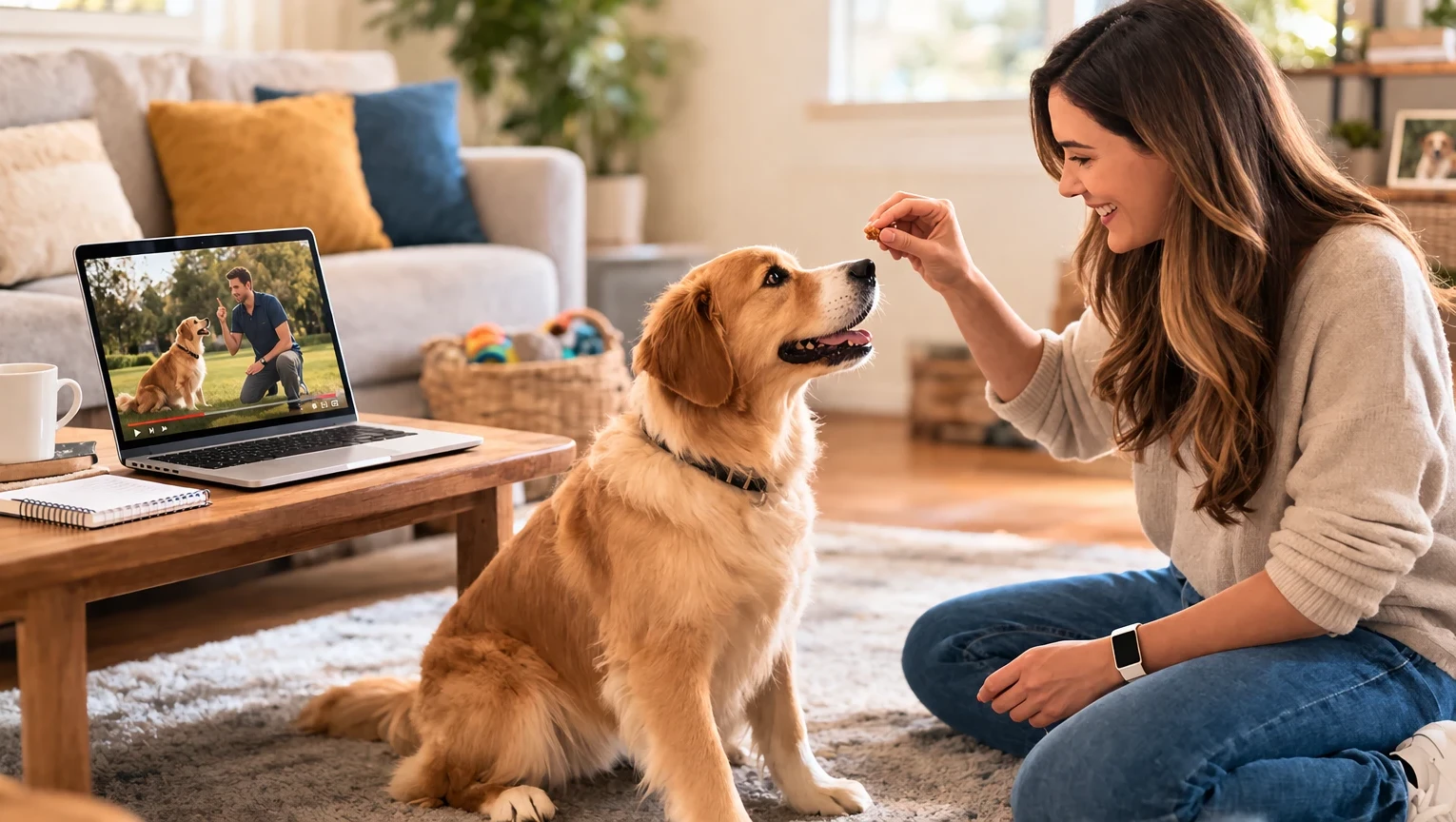
Any time your dog stays calm around a trigger, even for just a second or two, reward them. Give treats, extra pets, or whatever motivates them. Building up this habit means your pup will start to expect good things when they handle stress in a positive way, which helps their confidence grow.
Step 5: Stay Consistent
Consistency is key. Everyone in your household must be on the same page about how to respond to your dog’s behavior. Inconsistency just confuses your rescue pup; they rely on routines and knowing what to expect. Helpful reminders like sticky notes around the house can make this much smoother for everyone.
Consistency is one of the hardest parts to maintain, especially when you’re not sure if you’re doing things correctly. Having a structured program to follow can make it much easier to stay on track day to day.
👉 Check out the TrainPetDog program here
The Biggest Mistakes That Make Aggression Worse
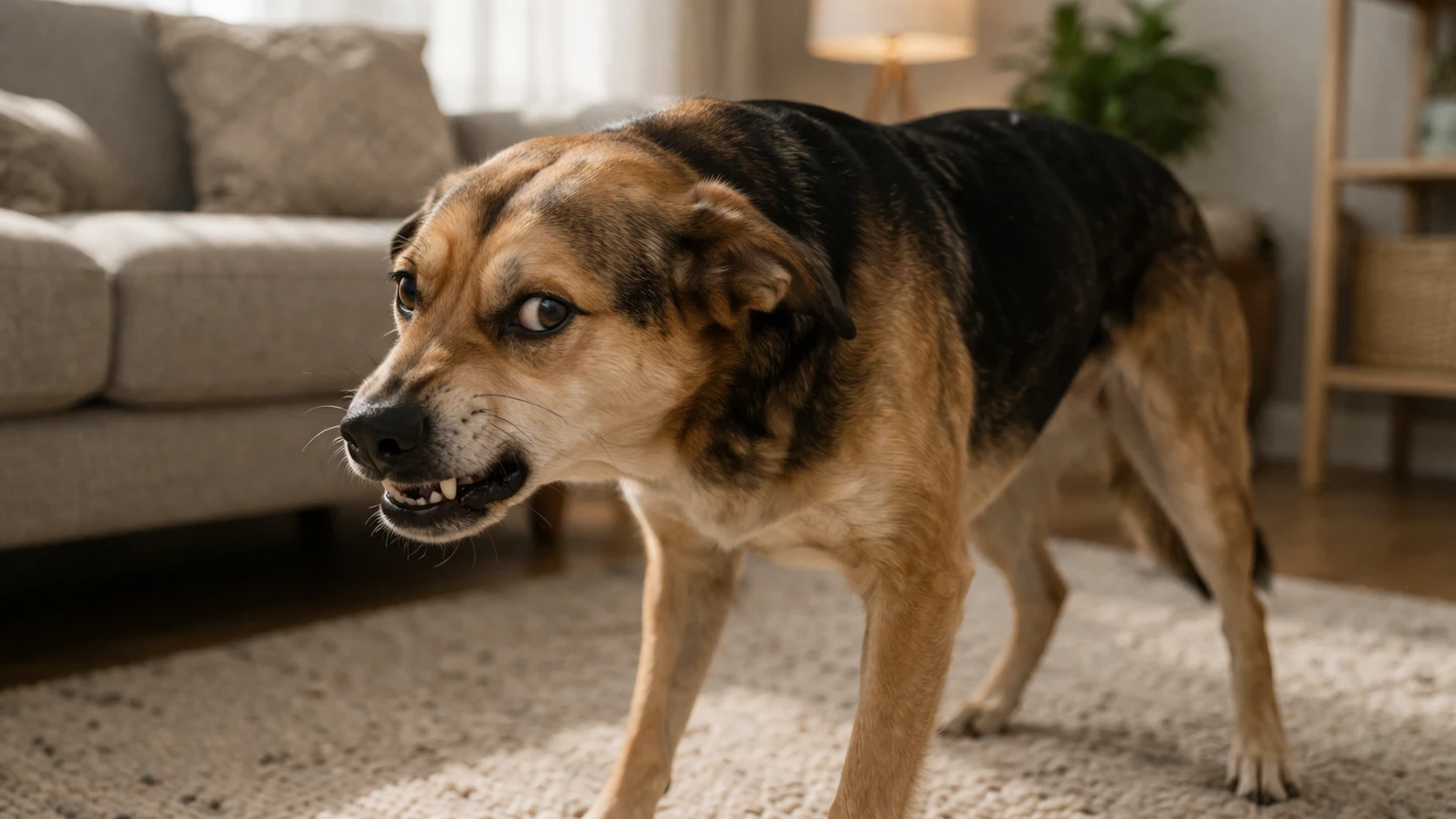
Punishing the Warning Signs
Punishing growls or snaps nearly always backfires. These are signals that give YOU a heads up. You want your dog to feel they can communicate when stressed, not feel like they have to hide those feelings until they explode.
Rushing the Process
Throwing your dog into overwhelming situations, like busy dog parks or house parties, too quickly can make progress grind to a halt. Changes need to come in small, manageable steps; looking for a quick turnaround usually just makes the problem last longer.
Forcing Social Situations
Trying to “socialize” a tense or reactive dog by making them mingle often backfires. You’ll get better results with well-managed, calm introductions as your dog becomes ready—instead of pushing them into situations that spike everyone’s anxiety.
How Long Does It Take to Fix Aggression in a Rescue Dog?
What Progress Actually Looks Like
It’s totally normal to wonder if your dog will ever relax completely. For many rescue dogs, progress means less frequent outbursts, shorter reactions, or bouncing back more quickly after something stressful. These smaller victories really matter—keep your eyes open for them so you don’t miss your dog improving bit by bit.
Realistic Expectations
This isn’t a one week transformation. You’ll likely need months, with some ups and downs. Patience and sticking with your plan are your secret weapons. Don’t feel down on yourself if things don’t look “perfect” fast—true progress is usually slow, steady, and worth every bit of effort.
When You Should Get Professional Help
Signs You Shouldn’t Handle This Alone
If your dog has bitten someone, seems totally unpredictable, or you simply feel unsafe, it’s time to call in a pro. There’s no shame in needing trained backup. In fact, some issues really need expert advice to find the real reason for the behavior and work out a safe plan.
If you’re not quite at that point but still feel stuck, following a structured program can help you work through many of these issues before they escalate.
👉 Check out the TrainPetDog program for difficult dogs here.
What Type of Trainer to Look For
Choose a certified professional dog trainer or behaviorist who uses positive reinforcement and has experience with aggression cases (look for credentials like CPDT-KA or CAAB). Steer clear from trainers who use physical corrections or punishment—these can bring on more aggression or fear. The right pro will explain things clearly, make you feel comfortable, and never shame you for asking questions.
Final Thoughts: You Didn’t Make a Mistake
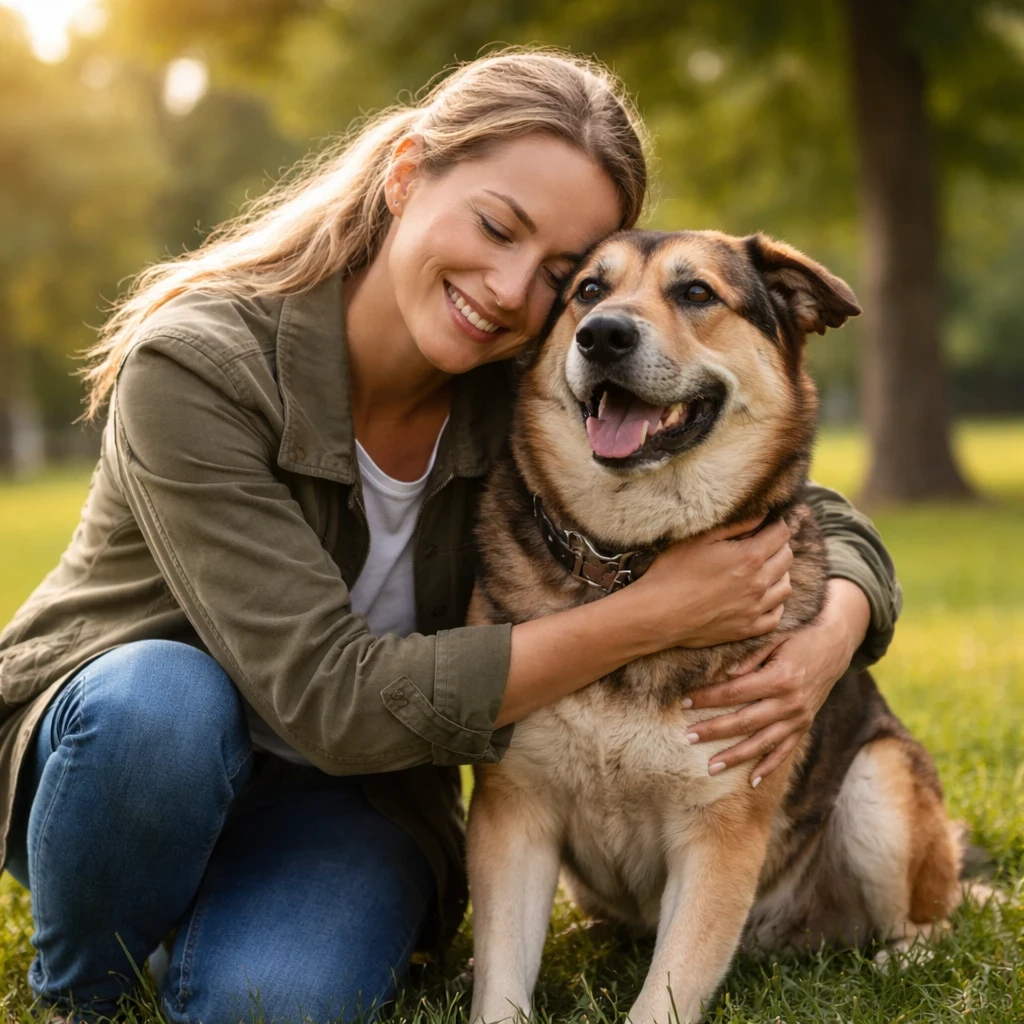
This adventure is tough, but with the right approach and lots of patience, it’s absolutely possible. All the best success stories I’ve seen happened because someone stuck with their dog, switched things up when needed, and kept an open mind.
There will be tough days.
But, you’re not alone, and struggling some days doesn’t mean you messed up. Your rescue dog is lucky to have you in their corner.
This journey can feel overwhelming, but it’s absolutely possible to turn things around with the right approach and patience. Many rescue dogs go on to become calm, trusting companions—it just takes time and the right guidance.
If you’re feeling stuck or unsure what to do next, following a clear, step-by-step training plan can make a huge difference.
👉 Check out the TrainPetDog program for difficult-to-train dogs here.
Wow, what a thorough and insightful guide! I really appreciate how clearly you explain growling, snapping, and lunging, and why punishing growls can actually backfire. Your step-by-step approach—from building trust to identifying triggers and carefully desensitizing the dog—is practical and really makes these concepts accessible, especially for rescue dog owners. I also love that you emphasize patience and working at the dog’s pace; it’s a great reminder that safety and emotional wellbeing come first.
I have to mention the photos too—they’re fantastic! The visuals really complement the content and make it easy to understand what the dog’s body language looks like in real situations. Seeing those expressions alongside your explanations makes the guide not just informative but also engaging and approachable. Overall, this post is super helpful for anyone dealing with reactive or nervous dogs—thank you for sharing your expertise so clearly!
Hi Diva! I’m so happy my post was helpful to you. It’s really easy to mistake dogs setting their own boundaries with aggression. It was important for me to make the distinction between growling because of aggression, or growling because the dog is trying to communicate it’s uncomfortable and needs space. So glad you found this helpful.