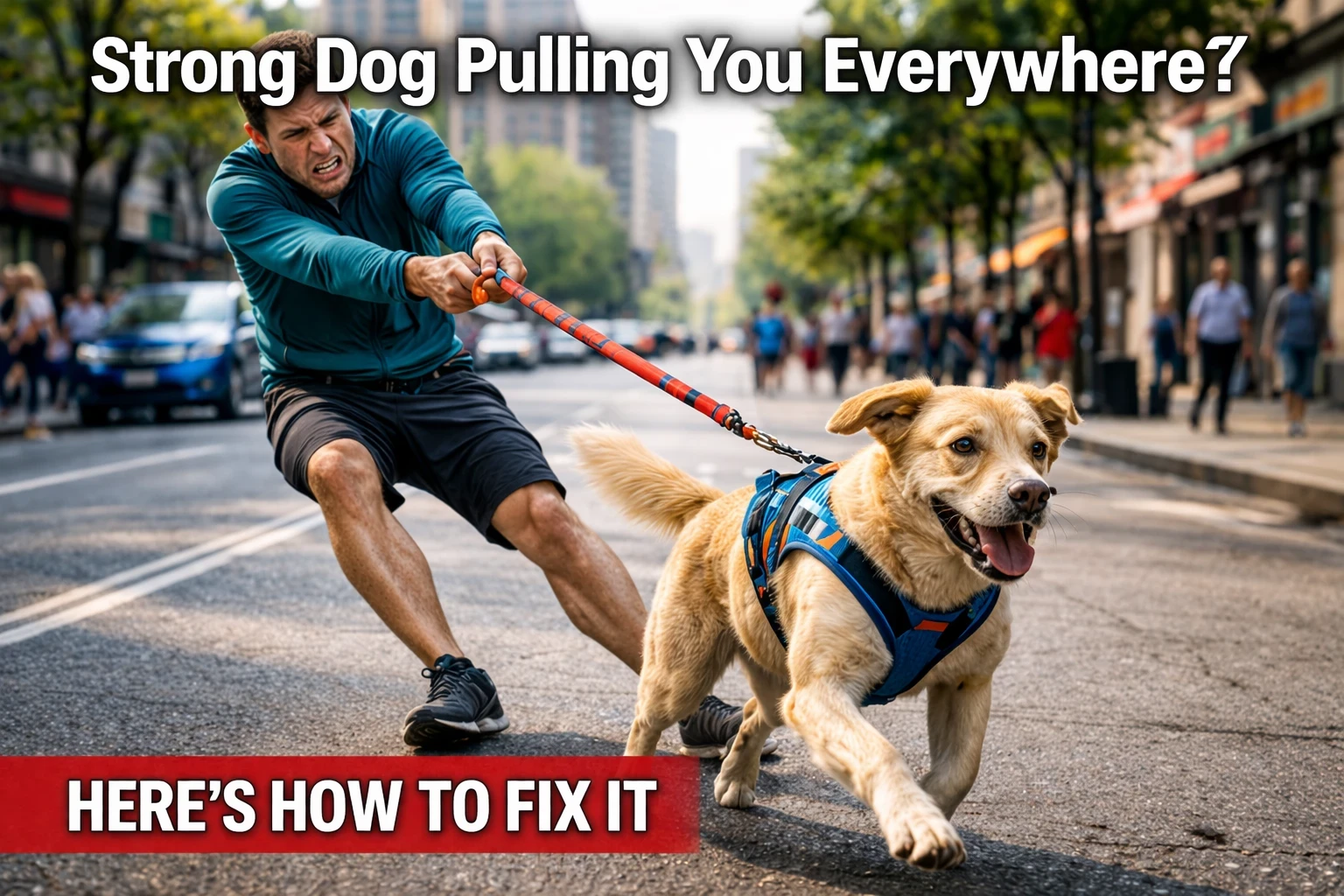
If you’re searching for how to stop my strong dog from pulling on the leash, you’re definitely not alone. Trying to control a powerful dog that constantly pulls can turn a simple walk into something stressful, frustrating, and even a little embarrassing—especially when it feels like nothing you try is working.
I’ve been there too, dealing with a dog that just wouldn’t stop tugging, and it can make you dread something that should actually be enjoyable.
In this guide, I’ll walk you through why dogs pull, why it’s so hard to fix, and the exact step-by-step approach that can help you finally regain control and enjoy calm, confident walks again.
Quick Transparency Note: Some links on this page are affiliate links, which means I may earn a small commission at no extra cost to you if you choose to make a purchase. I only recommend programs and products I genuinely believe can help you and your dog.
If you’re struggling with a strong dog that pulls no matter what you try, I highly recommend checking out this step-by-step training system here → TrainPetDog It’s designed specifically for stubborn or powerful dogs and shows you exactly how to fix leash pulling without frustration.
Why Your Strong Dog Pulls on the Leash
The Opposition Reflex Explained
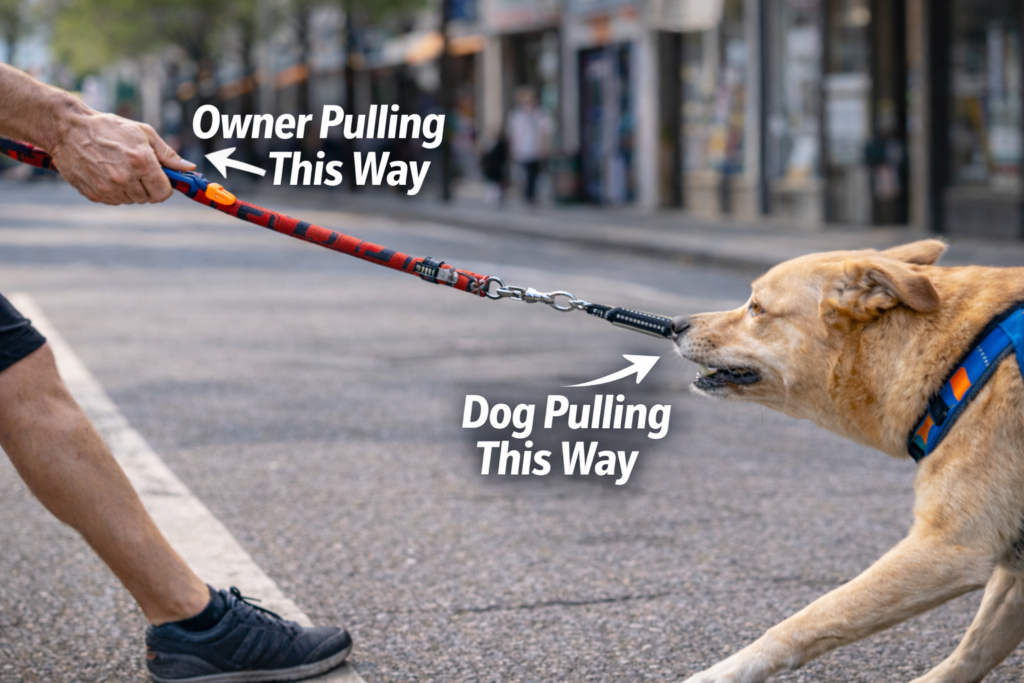
Many dogs, especially strong ones, pull on the leash because of something called the opposition reflex. It’s a natural response. When you pull back on your dog’s leash, your dog instinctively pulls harder in the opposite direction.
It can turn into a tug-of-war right on the sidewalk. My own Jack did this anytime he spotted a squirrel or rat. The more I resisted, the more determined he became. Understanding this reflex made me realize that fighting force with force just made things worse.
Why Pulling Actually Gets Rewarded
Pulling often works for dogs. When your pup sees or smells something exciting and pulls toward it, every successful step forward rewards that behavior. My dog quickly learned that dragging me to a new scent was the fastest route to what he wanted.
Dogs catch on quickly, so unless you change what happens when they pull, every walk just teaches them that pulling delivers results.
Energy, Excitement, and Lack of Training
Dogs with lots of energy—especially young or working breeds—are often natural pullers (think Jack Russells). They want to get out and check out the world. If they haven’t learned basic rules for leash walking, their enthusiasm becomes pulling.
My friend’s Labrador would charge forward at full speed for the first part of every walk. Without a constructive outlet for that energy and some training, dogs like this end up in charge at the end of the leash.
Why This Problem Feels So Overwhelming
When Your Dog Is Stronger Than You
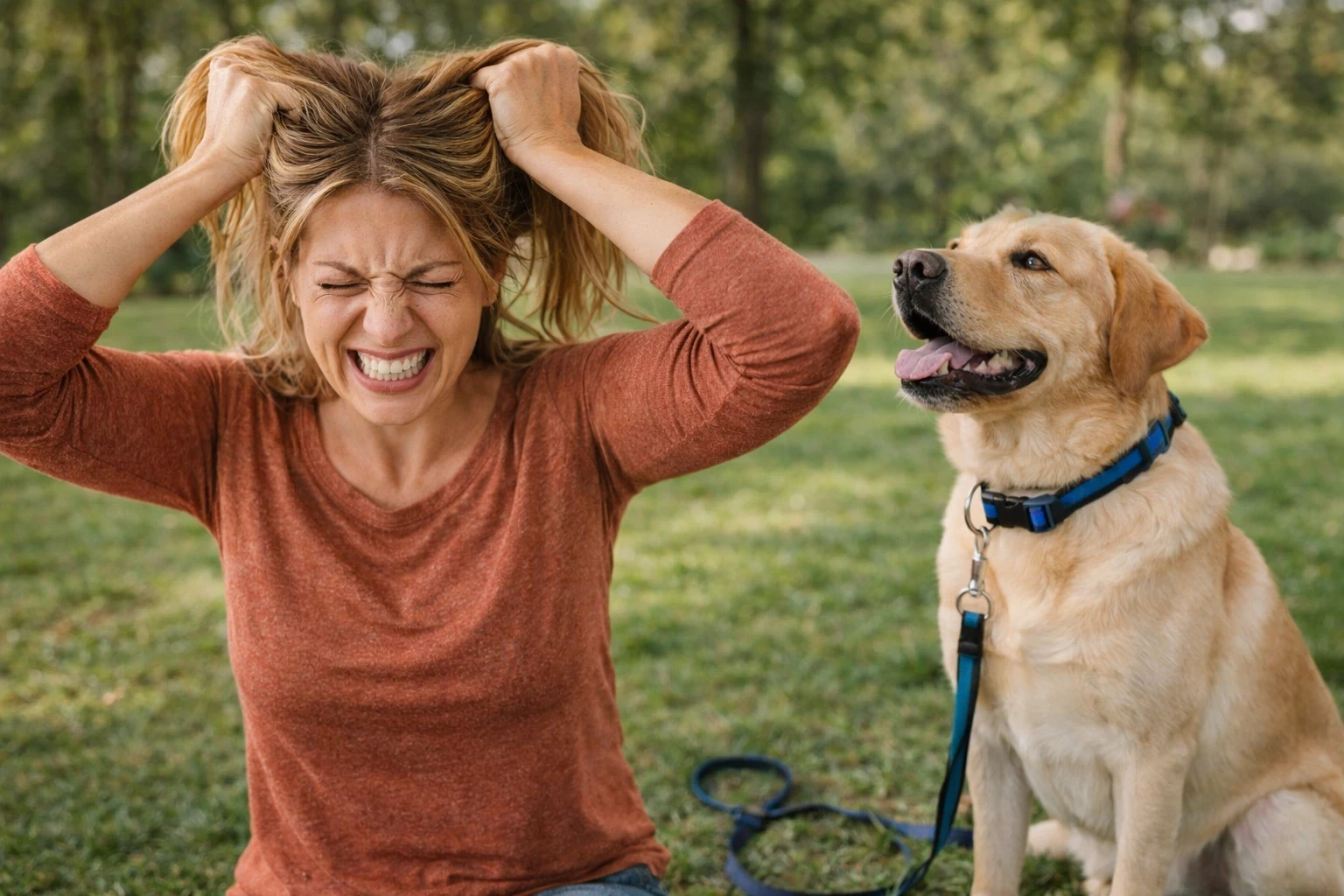
It can feel hopeless when your dog outweighs you or can easily pull you off your feet. One rainy afternoon, my dog nearly dragged me right into a muddy puddle because he chased after a rabbit. When brute strength just doesn’t work in your favor, it can be discouraging and even risky.
Listen, even though Jack Russells are small… they are strong!
This is exactly where having a structured plan makes a difference. Instead of guessing what to do next, following a proven system like TrainPetDog can take the pressure off and give you clear steps to follow.
The Safety Risks of Leash Pulling
Pulled shoulders, twisted ankles, and scraped knees are common among owners with strong pullers. The risks get higher when you’re near busy streets or crowded areas. I began worrying about what could happen if my dog broke free or yanked me into traffic. Prioritizing safety is crucial, especially if you walk in distraction-filled sites.
Why It Feels Embarrassing in Public
I used to dread passing by other people or pets because my pulling, sometimes barking, dog drew plenty of stares and the occasional rude remark. Many owners feel self-conscious about seeming unable to control their own dog, which can take a big bite out of your confidence and make walks less enjoyable.
The Best Equipment for Strong Dogs That Pull
Front clip Harness vs Backclip Harness
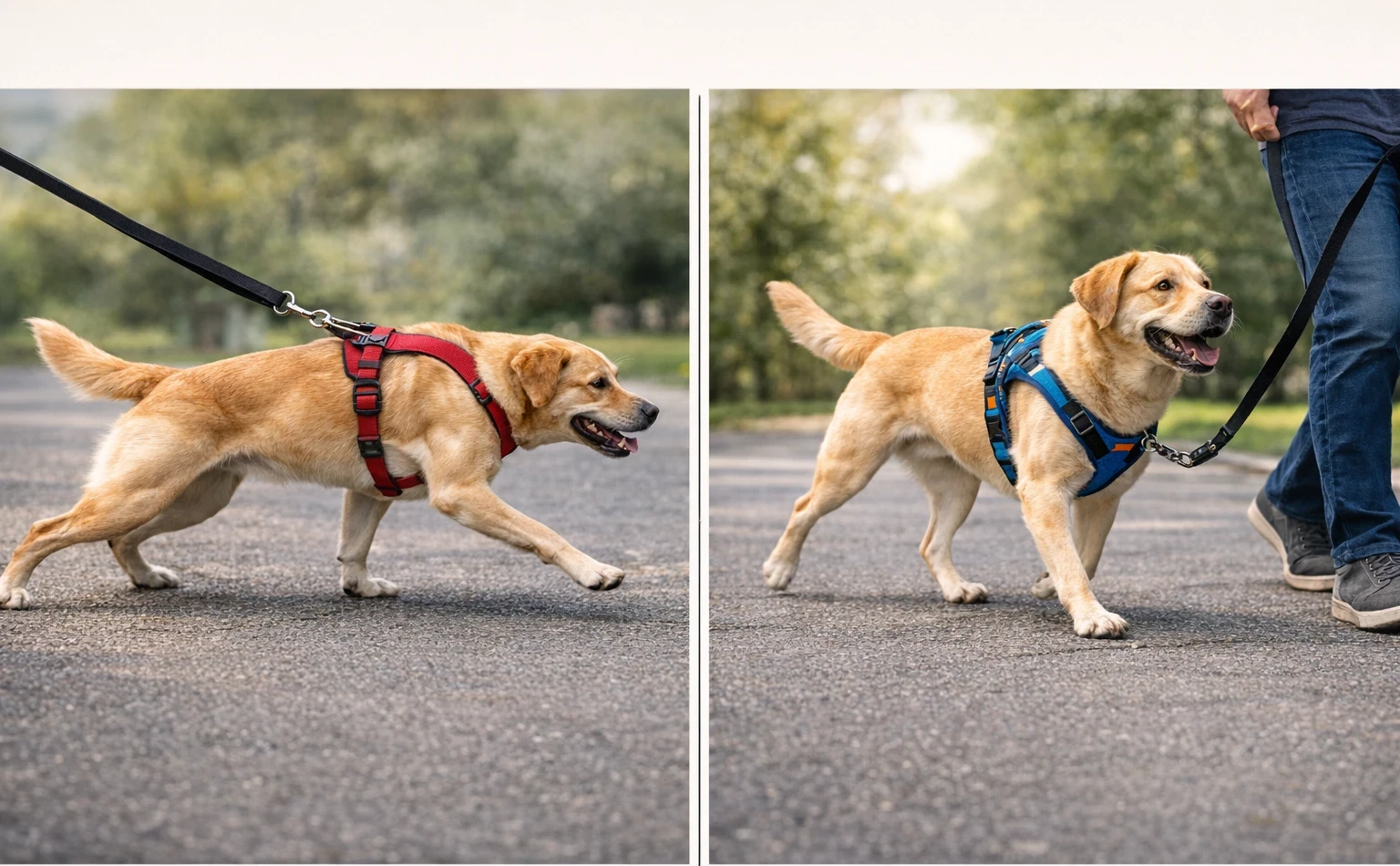
Harness choice is huge for strong pullers. A front clip harness clips at your dog’s chest. When my dog wears this style, he turns toward me instead of lunging forward, which makes it much simpler to keep him close by.
Back clip harnesses, however, tend to deliver more pulling power to your dog’s strongest muscles. They’re better for sled dogs than city walks with strong pets.
Should You Use a Head Halter?
Head halters are another solution I’ve experimented with. They fit over your dog’s nose and fasten under the chin, giving you better steering power. Generally, wherever your dog’s head goes, the body follows.
Some dogs need a little time to adjust, but these can make a world of difference for especially determined pullers.
Leashes to Avoid (Important!)
Retractable leashes add fuel to the fire for strong pullers. I learned this the hard way when my dog sprinted and hit the stopper with such force it almost yanked the handle out of my grip.
Trust me. I have experience with this with my Jack Russells. One of them was a puller for sure! If he saw a rat, forget it!
These retractable leashes can put extra strain on your hands and even snap dangerously. I use a tough, standard-length leash that offers more control and doesn’t tempt my dog to lunge farther.
Of course, equipment alone won’t fix pulling. It works best when combined with the right training approach, which is exactly what programs like TrainPetDog focus on.

Step-by-Step: How to Train Your Dog to Stop Pulling
Step 1: Stop Moving When They Pull
Start simple. Every time your dog pulls, stop walking. Don’t say anything or yank back, just stand still. Soon, your dog learns that tugging means the walk comes to a halt—not a reward. This begins to break the cycle of pulling for progress.
Step 2: Reward the Right Position
Anytime your dog walks calmly by your side or lets the leash hang loose, give him a treat or some praise. I kept treats handy to catch all those good moments. Dogs repeat what works, so reinforcing calm walking is key to changing habits.
Step 3: Change Direction to Regain Focus
If your dog spots a distraction or gets overly excitable, make a gentle U-turn and walk the other way. This keeps his attention on you and away from whatever triggered the pulling. With repetition, your dog starts looking to you for direction more often.
Step 4: Practice in Low-Distraction Areas First
Begin your training in the backyard, the garage, or a quiet street. Once your dog nails loose-leash walking, slowly move toward busier spots, like parks or downtown sidewalks. Trying to fix things in a zoo of distractions early on sets everyone up for frustration, so build up slowly.
If you want a more structured version of this with guided lessons and real-life demonstrations, you can check out TrainPetDog here—it walks you through everything step-by-step so you don’t have to figure it out on your own.
The #1 Rule That Most Dog Owners Break
Why Consistency Matters More Than Technique
This was the hardest part for me. Every single walk needs the same rules—no shortcuts or exceptions. Letting your dog pull “just this once” to greet a friend can set you back. Consistency is the real secret to leash training. Everyone who walks your dog should follow the same guidelines to prevent confusion.
How Mixed Signals Make Pulling Worse
It’s tempting to give in sometimes and be strict at other times, but inconsistency basically invites your dog to keep testing. Clear, predictable responses help your dog learn faster and make changes stick.
Common Mistakes That Make Pulling Worse
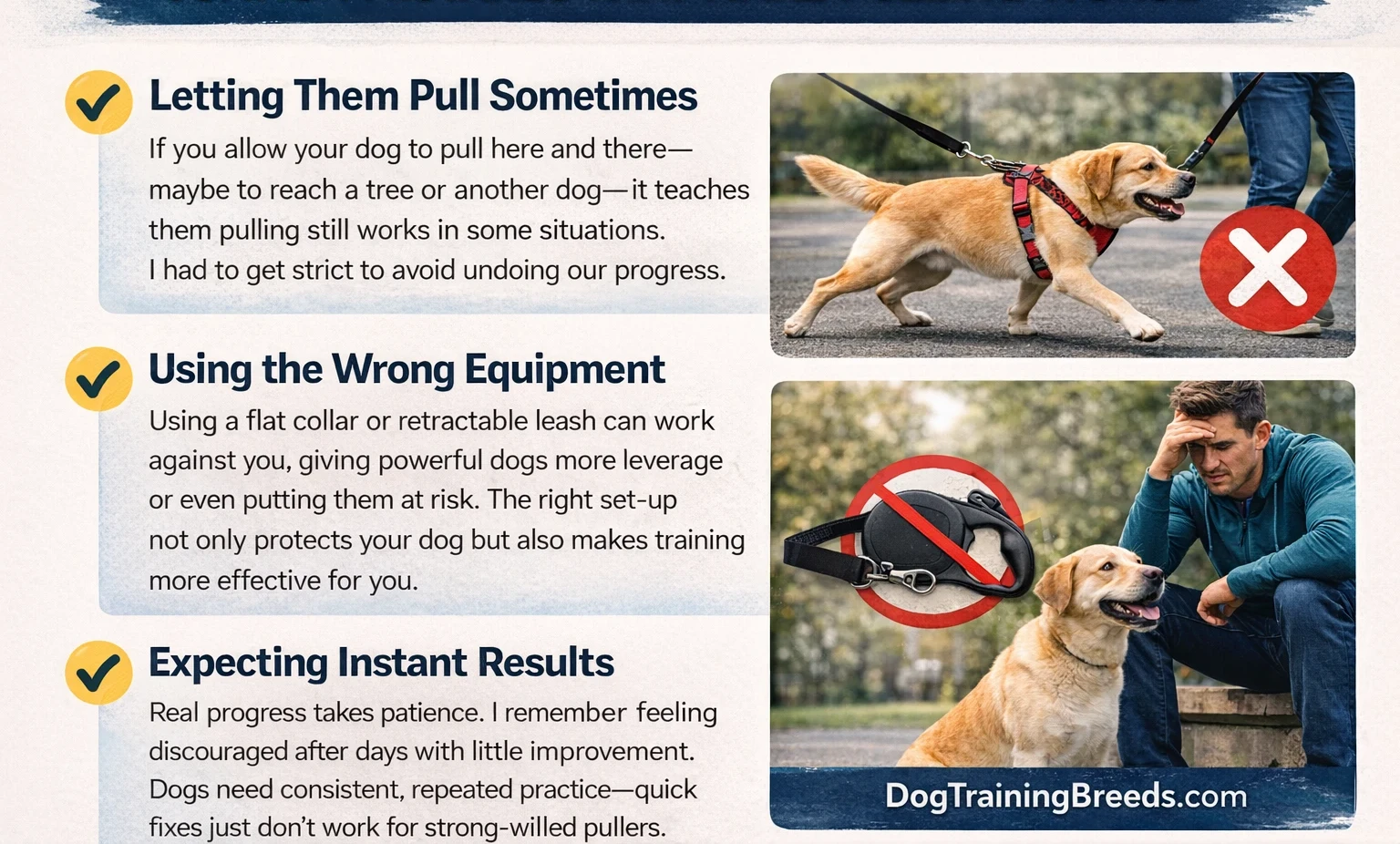
Letting Them Pull Sometimes
If you allow your dog to pull here and there—maybe to reach a tree or another dog—it teaches them pulling still works in some situations. I had to get strict to avoid undoing our progress.
Using the Wrong Equipment
Using a flat collar or retractable leash can work against you, giving powerful dogs more leverage or even putting them at risk. The right set-up not only protects your dog but also makes training more effective for you.
Expecting Instant Results
Real progress takes patience. I remember feeling discouraged after days with little improvement. Dogs need consistent, repeated practice—quick fixes just don’t work for strong-willed pullers.
How Long Does It Take to Fix Leash Pulling?
What Progress Actually Looks Like
In the beginning, improvement comes in small steps: fewer outbursts and shorter stretches of pulling. Over time, you’ll probably notice your dog checking in with you more and staying closer, rather than barreling ahead. It’s gradual, but those tiny changes add up.
When to Expect Real Change
Most often, lasting results show up after a few weeks to a few months of steady effort. Each dog learns differently, and some days will go better than others; setbacks are just part of the adventure. Stay with the routine and you’ll see real change.
When to Consider a Structured Training Program
Signs You Need Extra Help
If you find yourself worried for your safety, constantly getting dragged, or just not making progress no matter what you try, it’s a sign you need a more structured approach.
This is where a program like TrainPetDog really stands out. It gives you a clear system to follow, removes the guesswork, and helps you finally feel in control on your walks again.
Why DIY Training Sometimes Fails
Some dogs are simply too strong or stubborn for solo training, and that’s perfectly all right. Reaching out to professionals or using a detailed training program can provide structure, guidance, and the answers you need to get your walks under control. I found that a step-by-step system, paired with expert guidance, fast-tracked my dog’s improvement.
Final Thoughts: You Can Walk Your Dog Calmly Again
Training a strong dog on the leash does take commitment, but it’s totally possible for anyone. The right equipment, a consistent routine, and positive rewards can take your daily walks up a notch. When you’re stuck or need encouragement, turning to expert resources often gives you that extra push you need for success.
One resource I’ve seen work wonders is TrainPetDog. Their structured system for strong or stubborn dogs makes it simple to follow proven steps and see real progress—especially when nothing else seems to work. If you’re ready to enjoy calm, controlled walks again, it’s absolutely worth checking out.
I really needed to read this today. I’ve been feeling quite defeated lately because my two dogs have turned our daily walks into a physical struggle instead of a relaxing break.
I had a scary experience recently where I fell and got injured because I couldn’t keep up with my stronger dog. It’s been heartbreaking and frustrating, especially since I’ve had to stop walking him entirely because I simply can’t control his strength. Your post gave me the first bit of hope I’ve had in a while, as I might be able to get back out there with both of them.
I’m still recovering from my fall and feeling a bit nervous. Do you have any tips for rebuilding my confidence as a walker? I want to ensure my dogs don’t pick up on my hesitation when we start training in the backyard again.
Hi Alice.
I’m really sorry that happened to you—that’s genuinely scary, and it makes total sense you’re feeling hesitant right now. The fact that you want to get back out there says a lot.
A good way to rebuild confidence is to start small and controlled. Stay in your backyard or even indoors at first, and just practice calm leash moments—no pressure to “walk” yet. Reward your dog for staying close and keeping the leash loose so you can rebuild that sense of control step by step. Consistent, positive reinforcement helps both you and your dog feel more relaxed and connected again .
For you specifically:
Use equipment that gives you more control (like a front-clip harness)
Keep sessions short so you end on a good note
Practice with one dog at a time first
Focus on your breathing and pace—slow = calm energy
And honestly? Your dogs won’t “lose respect” if you feel a little nervous—they’ll take their cues from the structure you provide, not perfection.
You’ve already taken the hardest step by not giving up. Go at your pace—you’ll get there.