
Owning a Jack Russell Terrier can feel like a full-time job… especially if you weren’t expecting this level of energy, intensity, or stubbornness.
If you’re dealing with constant barking, endless zoomies, destructive behavior, or a dog that just won’t listen—take a deep breath.
You’re not alone. And more importantly… your dog isn’t “bad.”
Jack Russells are one of the most misunderstood breeds out there. What looks like “problem behavior” is usually just unmet needs, high intelligence, and instinct kicking in.
In this guide, I’m going to break down the most common Jack Russell Terrier problems, what they actually mean, and exactly how to fix them—step by step.
Just a quick heads-up for transparency: this article may contain affiliate links. If you choose to buy through one of them, I may earn a small commission at no extra cost to you. It helps support DogTrainingBreeds.com so I can keep creating helpful resources for dog owners like you.
If you’re feeling overwhelmed right now, you’re not alone—and you don’t have to figure this out on your own.
I found this step-by-step Jack Russell training program especially helpful for Jack Russell Terriers because it’s tailored specifically to their high energy, stubborn personality, and real behavior issues
Why Jack Russell Terriers Are So Challenging (It’s Not Just You)
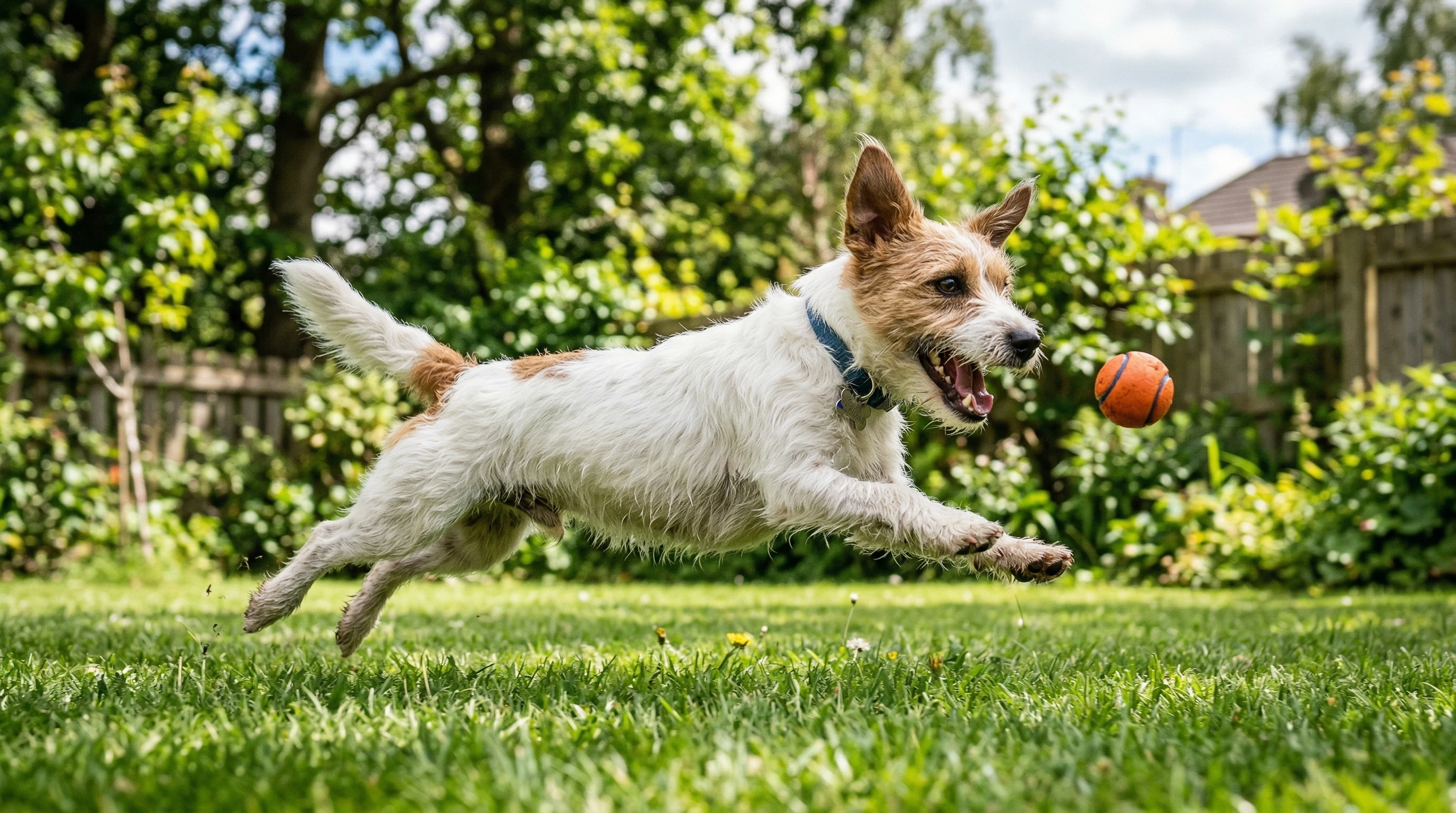
Jack Russells didn’t get their wild rep by accident. They’re bred as hunting dogs, which means they’re hardwired for action, problem solving, and making their own calls when something interesting comes up.
High intelligence and extreme energy explained
This breed lives to move and outsmart anything in their path. They need constant stimulation, both physically and mentally. To them, a 30-minute walk is just barely a warmup. Boredom for a Jack Russell is basically a call to action, usually by barking, chewing, or inventing games you won’t love.
The hunting instinct most owners underestimate
That relentless focus on squirrels or small animals isn’t stubbornness. It’s instinct. Their drive to chase, tunnel, and dig is something generations of breeding created, and you’ll notice it whether your Jack Russell is a pup or a senior. Ignoring it sets you both up for power struggles and headaches.
Why rescue Jack Russells can feel “more intense”
Lots of rescue Jack Russells came from homes that didn’t “get” the breed. Some have spent time bored or under stimulated, which ramps up every behavior when they finally have freedom or human attention. Many have pent up energy (and some trust issues), so those early months can be pretty wild. Hang in there—it truly gets better.
Why traditional training methods often fail this breed
Methods built around repetition or tough corrections usually just frustrate Jack Russells. They thrive with challenges, fast feedback, and motivation to work out problems, not just punishment for unwanted stuff. Positive reinforcement and mental games work way better than trying to outdo your dog’s stubborn streak.
Most Common Jack Russell Terrier Problems

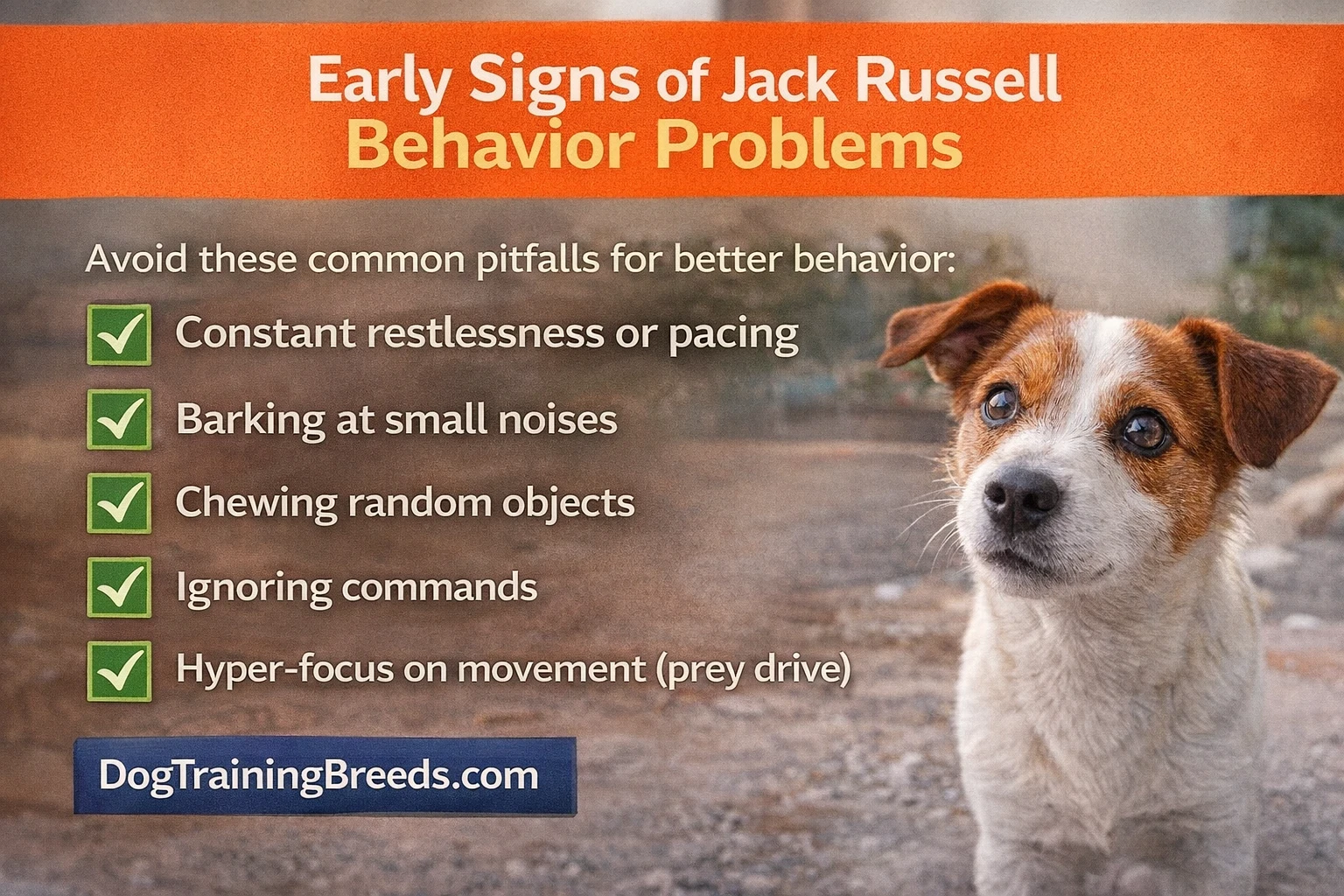
1. Endless Energy and Hyperactivity
Jack Russells act like they mainline espresso. Even if you think, “Surely she’s tired now,” she’ll be ready to play again in five minutes. When they don’t burn through that energy, it spills into things you don’t want—zoomies, nonstop jumping, or wild laps around the house.
2. Excessive Barking
Some folks joke their Jack Russell must think he’s the neighborhood watch, complete with a built-in siren. They bark to call out anything new, but can also bark if they’re flat-out bored. If your dog is yapping at every doorbell, leaf, or passing cloud, it’s usually a sign he needs a better outlet for his energy or attention.
If barking is one of your biggest frustrations, this dog barking training guide breaks down exactly how to stop it step-by-step.
3. Destructive Behavior
Shoes, cushions, baseboards—nothing is safe. Chewing, digging, and shredding are stress relievers and boredom busters for this breed. They get a rush from tearing things apart, especially if you react with excitement—even if it’s frustration.
4. Stubbornness and Not Listening
You call, they don’t even glance at you. Not listening doesn’t mean they’re dumb; it’s more about independence and curiosity winning over whatever you’re asking. They’re amazing at ignoring you if something else is more interesting!
This is incredibly common with smart, independent breeds, but it can be fixed with the right approach. This training for difficult dogs guide shows you how to get your dog to actually listen.
5. Aggression or Reactivity
This doesn’t mean your dog is “dangerous.” Sometimes it’s nerves, uncertainty, or just not knowing the right way to interact with others. Reactivity can be triggered by excitement, fear, or too much pent up energy, especially toward other dogs, strangers, or anything they see as prey.
6. Escaping and Running Away
Jack Russells are legendary escape artists. If there’s a loose fence board or a door left open, they’ll be gone—usually chasing a scent or curious about what’s beyond. Their prey drive is strong, and when it kicks in, recall training often falls apart.
7. Separation Anxiety
People forget Jack Russells want to be with their humans every minute. When left alone, some panic, whining, barking, or getting destructive. Other dogs get depressed or try to break out to find their family.
What These Behaviors Really Mean
Your dog isn’t “bad”—they’re under stimulated
If you zoom out, all those “problems” are really just big cries for more action and engagement. Jack Russells crave jobs and challenges. Without things to do, their brains and bodies invent chaos to fill that need.
The role of mental versus physical exercise
A tired Jack Russell isn’t just physically worn out. Their brains need workouts just as much as their bodies. Scent work, learning new tricks, and puzzle toys make a big dent in hyperactivity, way more than piling on extra walks alone.
How unmet instincts show up as “problems”
Every digging spree or backyard tunnel traces back to their roots. They want to chase, search, and use that big brain; denying these urges is like bottling up energy in a soda can. Eventually, it explodes somewhere you don’t want.
This is the point where most owners feel stuck—but once you understand what your Jack Russell actually needs, everything starts to make more sense.
If you want a step-by-step plan designed specifically for Jack Russell behavior (not generic dog advice), you can check it out here.
This is usually the turning point where things start to click—once you understand what your dog actually needs, everything changes.
How to Fix Common Jack Russell Terrier Problems (Step-by-Step)

Step 1: Drain energy the RIGHT way (not just walks)
Long, fun play sessions work better than endless circling the block. Try fetch, tug games, or agility courses. Offleash running (in a safe, contained area) and structured games like flirt poles can make a major difference.
Before you jump into these steps, it helps to have a clear structure to follow—this Jack Russell–specific training program shows you exactly how to channel their energy the right way.
Step 2: Add mental stimulation daily
Hide and seek (with treats or toys), puzzle feeders, and trick training get that problem solving brain firing. Mix up new games and toys often because novelty matters with smart dogs like these.
Step 3: Set clear structure and rules
Consistency helps Jack Russells feel secure. Enforce rules calmly and stick to them every day. Don’t expect instant change—small, stubborn pushbacks are normal before habits change.
Step 4: Teach impulse control
Games like “wait,” “leave it,” and “place” help your dog learn to pause and check in before charging ahead. Use food rewards, short sessions, and lots of patience. It’s more about building self-control than perfect obedience.
Step 5: Replace problem behaviors with better ones
If your dog loves digging, set up a sandbox for a dogapproved spot. If chewing is the issue, offer strong chew toys or frozen Kongs packed with treats. Focus on redirecting, not just punishing.
Biggest Mistakes That Make Jack Russell Problems Worse
Not giving enough mental stimulation
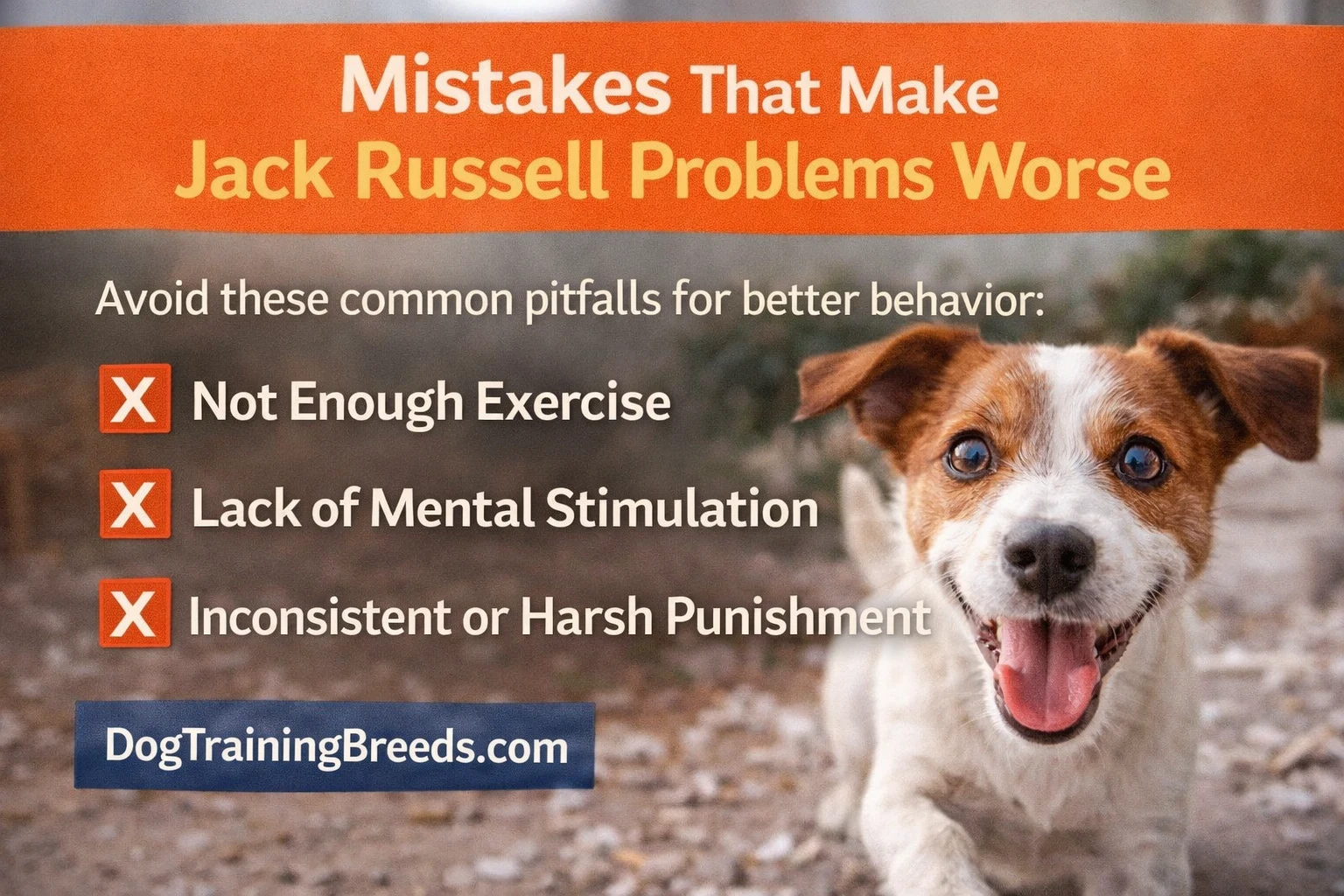
Exhausting walks are only half the answer. Mental work tires them out much faster and helps prevent problems before they start by giving their brains something to work on.
Inconsistent training
If rules slip “just this once,” your Jack Russell will spot it instantly. Mixed signals only confuse dogs and lead to bigger pushbacks because they realize consistency isn’t always required.
Punishing instead of redirecting
Punishment tends to backfire with this breed. They might become sneakier or more anxious. Instead, catch good behavior and reward it, and show them a positive activity when they go off track.
Letting behaviors slide “sometimes”
Giving in to barking, begging, or wild zoomies on the couch just confuses your dog. Staying firm and fair helps your dog figure out what’s cool and what’s not, so everyone knows the real boundaries.
When to Get Extra Help
Signs behavior is getting worse
If you spot rising aggression, repeated escapes, or overwhelming anxiety, it’s smart to get some backup. Sudden changes can mean medical problems, and a quick vet check is always smart.
When to consider structured training programs
Group classes or activity-based classes (like agility) can really help Jack Russells let out their wiggles and learn to focus. If things aren’t improving at home, team up with a dog trainer who knows terriers.
When professional help is needed
Biting, severe anxiety, or anything that risks harm to people or dogs deserves pro help. Look for a positive reinforcement trainer with terrier experience, and don’t hesitate to ask for references. The right support can change your dog’s life (and yours) for the better.
Final Thoughts: You Don’t Have a “Bad Dog”
Reassurance and normalization
Lots of Jack Russell owners feel overwhelmed at first. This breed brings challenges but also tons of laughs and huge rewards when you steer their energy. Celebrate small wins; even if progress is slow, you’re doing better than you think.
What progress actually looks like
It’s not about being perfect; it’s about steady improvement. Some days are rough, but odds are there’s already less chaos than when you started. Stick with it; your dog is absorbing lessons, even when it doesn’t look obvious.
Encouraging next step
If you’re still feeling stuck, you’re not alone—and your dog isn’t beyond help. With the right structure, Jack Russells can become focused, calm, and much easier to live with. If you want a step-by-step system so you’re not guessing what to do next, this complete Jack Russell Terrier training program shows you exactly how to fix these behaviors and enjoy your dog again.
If you want more dog parenting tips tailored to active, stubborn breeds like Jack Russells or tricks to keep your best friend busy and well mannered, check out more free guides on DogTrainingBreeds.com. Remember, you and your energetic pup are a team, and together you can tackle anything!